Let’s be real for a second. Most of us don’t think about bathroom plumbing until something goes wrong. When everything is working, it’s invisible, almost boring. But the moment a drain gurgles, water pools at your feet, or something smells off, suddenly plumbing becomes very interesting — and stressful.
The thing is, signs of bathroom plumbing issues often show up quietly long before a full-blown disaster hits. If you know what to look for, you can catch small problems early and save yourself money, time, and a whole lot of frustration. This guide breaks it all down in a simple, human way, so you can spot trouble before it turns your bathroom into a renovation project.
Why paying attention to bathroom plumbing really matters
Bathroom plumbing deals with a lot every single day. Hot water, soap, hair, toothpaste, toilet paper, and whatever else goes down the drain. Over time, wear and tear is unavoidable. Pipes shift, seals weaken, and clogs slowly form.
Ignoring the early signs of bathroom plumbing issues doesn’t make them disappear. In fact, it usually does the opposite. A minor leak today can turn into water damage tomorrow. A slow drain can become a complete blockage when you least expect it. Being aware gives you control, and that’s always a good thing.
Slow drains that never seem to fully clear
One of the most common signs of bathroom plumbing issues is a slow drain. At first, it’s easy to brush off. The sink drains eventually, the shower water creeps away after a minute, and life goes on. But when this becomes a daily thing, it’s not normal.
Slow drains often mean buildup inside the pipes. Hair, soap residue, and mineral deposits cling to the inner walls, narrowing the space for water to flow. Chemical drain cleaners might offer temporary relief, but they don’t fix the root problem. Over time, the blockage gets worse, not better.
If multiple drains in the bathroom are slow at the same time, that’s a bigger red flag. It could point to an issue deeper in the plumbing system rather than just a surface clog.
Gurgling sounds coming from drains or the toilet
Bathrooms should not sound like they’re talking back to you. Gurgling noises after flushing or when water drains are another clear sign of bathroom plumbing issues. These sounds usually mean trapped air in the pipes.
Air gets trapped when there’s a blockage or when the plumbing vent system isn’t working properly. Instead of flowing smoothly, water struggles to move past the obstruction, pulling air along with it. That’s where the bubbling or gurgling comes from.
The thing is, gurgling often shows up before a full blockage occurs. Think of it as your plumbing whispering for help before it starts screaming.
Water backing up in places it shouldn’t
This one is hard to ignore. When you flush the toilet and water rises too high, or when using the sink causes water to appear in the shower drain, something is definitely wrong.
Water backup is one of the more serious signs of bathroom plumbing issues because it usually means there’s a significant blockage somewhere in the system. Instead of flowing out, wastewater is being forced back into other fixtures.
Aside from being unpleasant, this can quickly turn unhygienic. If you ever notice sewage smells or dirty water backing up, it’s time to stop using the bathroom and get professional help right away.
Leaks that seem small but never really go away
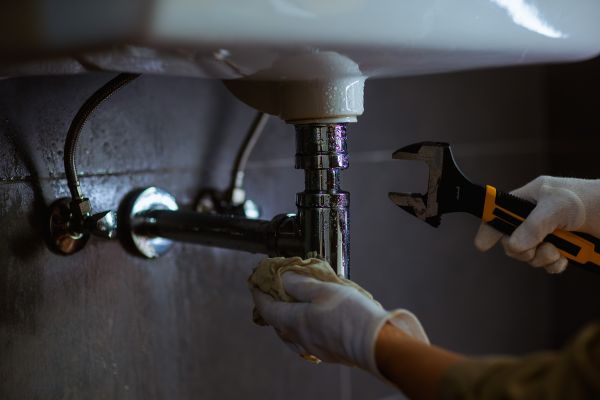
A tiny drip under the sink. A damp spot near the toilet base. A cabinet that always smells musty. These are classic signs of bathroom plumbing issues that people often ignore.
Small leaks are deceptive. They don’t cause immediate flooding, so they don’t feel urgent. But constant moisture can rot wood, damage flooring, and create the perfect environment for mold. Over time, even a slow drip can waste gallons of water and increase your utility bills.
Sometimes leaks aren’t even visible. You might notice peeling paint, warped walls, or unexplained moisture instead. Trust those clues. They’re rarely random.
Low water pressure that makes everything frustrating
When your shower feels more like a sad drizzle than a refreshing rinse, plumbing could be the culprit. Low water pressure is another sign of bathroom plumbing issues that sneaks up slowly.
In some cases, mineral buildup inside pipes restricts water flow. In others, there could be leaks diverting water away from where it’s supposed to go. Older plumbing systems are especially prone to this problem.
If the pressure drops suddenly or only affects bathroom fixtures, it’s worth investigating. Low pressure isn’t just annoying, it often signals a deeper issue.
Toilets that run, clog, or flush unpredictably
Toilets are simple in concept but surprisingly complex inside. When something goes wrong, it shows up fast. A toilet that keeps running long after flushing, clogs frequently, or needs multiple flushes is waving a red flag.
Running toilets usually indicate worn internal components, like flappers or valves. While that might sound minor, a constantly running toilet can waste a shocking amount of water.
Frequent clogs, on the other hand, could mean issues in the drain line or vent system. Especially if you’re not flushing anything unusual. Toilets should be reliable. When they’re not, plumbing issues are often to blame.
Unpleasant odors that linger no matter how much you clean
You clean the bathroom thoroughly, but a bad smell keeps coming back. That’s frustrating, and it’s also one of the less obvious signs of bathroom plumbing issues.
Odors often come from sewer gases escaping through dry traps, cracks, or faulty seals. Every drain has a trap designed to hold water and block gases from entering your home. When that system fails, smells find their way in.
Persistent odors should never be ignored. Beyond being unpleasant, sewer gas exposure isn’t something you want lingering in your living space.
Mold or mildew appearing in unexpected places
Bathrooms are humid by nature, so a little mildew in obvious spots isn’t unusual. But when mold starts appearing on walls, ceilings, or under cabinets, plumbing could be involved.
Hidden leaks create constant moisture behind surfaces, and mold thrives there. By the time you see it, the issue has likely been there for a while. This is why mold is often considered a delayed sign of bathroom plumbing issues rather than an immediate one.
If mold keeps returning despite good ventilation and regular cleaning, it’s time to look deeper.
Cracks, stains, or damage around fixtures
Take a closer look around your sink, tub, and toilet. Cracked tiles, loose flooring, or discoloration can all point to water damage underneath. Plumbing issues don’t always announce themselves loudly. Sometimes they quietly weaken the structure around them.
Water seeping under tiles or flooring can compromise adhesives and materials over time. What starts as a cosmetic issue can turn into a costly repair if left unchecked.
When multiple signs show up together
Here’s the thing. One sign alone might not feel urgent. But when several signs of bathroom plumbing issues show up at the same time, that’s your cue to act.
Slow drains paired with gurgling sounds. Low pressure alongside damp spots. Odors mixed with recurring clogs. These combinations usually mean the problem is bigger than a quick fix.
Listening to your bathroom might sound odd, but it works. Changes in sound, smell, or performance almost always mean something needs attention.
Knowing when to call for help
Some minor plumbing issues can be handled with basic maintenance. But if problems persist, repeat often, or affect multiple fixtures, it’s best to bring in a professional. Plumbing systems are interconnected, and fixing one part without understanding the whole can sometimes make things worse.
Early action is always cheaper and less stressful than emergency repairs. Trust your instincts. If something feels off, it probably is.
Final thoughts on recognizing plumbing problems early
Bathroom plumbing doesn’t have to be mysterious. The signs are there, quietly showing themselves if you know what to look for. From slow drains and strange noises to leaks, odors, and low water pressure, these signs of bathroom plumbing issues are your warning system.
Paying attention now can save you from major headaches later. And honestly, peace of mind is worth it. A bathroom that works smoothly, smells fresh, and doesn’t surprise you in the worst way possible? That’s something we all deserve.
So keep an eye, and an ear, on your bathroom. It’s talking to you more than you think.