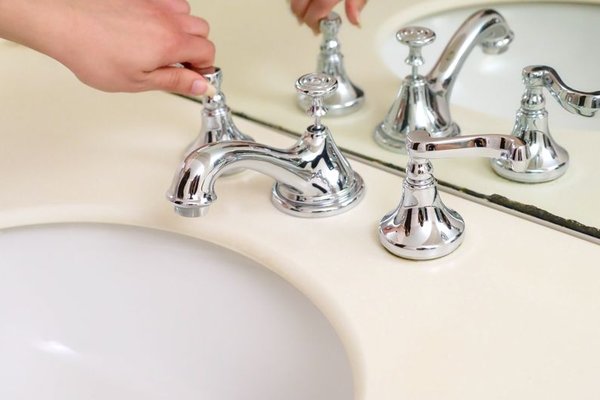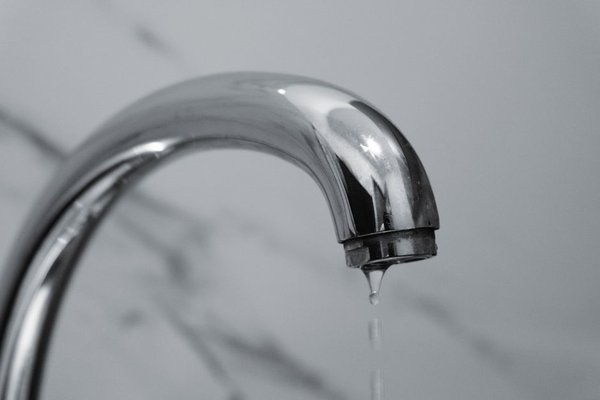
A puddle around a faucet base does not always mean the base itself is leaking. Water might escape from a worn spout seal, travel down from the handle, splash off the sink, or drip through a connection below the countertop. Finding the first wet spot matters more than finding the biggest puddle.
If your faucet is leaking at the base, test it before buying parts. That will help you distinguish a leaking faucet O-ring from a failing cartridge or a loose under-sink fitting.
Know which leak you are dealing with
Water appears only while the faucet runs
Water escaping at the rotating spout joint often suggests dirty or worn O-rings. However, a handle leak can run downward and collect in the same place. On some models, additional seals or a diverter may be involved.
The spout keeps dripping after shutoff
A continuing drip from the outlet generally points toward the valve, cartridge, or another shutoff component rather than the spout-base seals. A few residual drops immediately after use can be normal. For a persistent outlet drip, see our guide to fixing a dripping faucet.
The cabinet underneath gets wet
Check supply fittings, sprayer hoses, and the drain. Water can follow tubing before dropping into the cabinet, so the lowest wet connection may not be the source. A loose faucet mounting nut does not automatically explain an active plumbing leak.
Find the source using dry paper towels
Wipe the faucet, sink rim, and countertop dry. Place separate paper towels around the handle, rotating spout joint, and countertop opening. Put more towels around accessible plumbing connections inside the cabinet.
Run cold water gently, then hot water, without splashing. Look for the first towel that becomes damp. Turn the water off and see whether moisture continues appearing. Rotate the spout and, if you have a pull-down model, move the sprayer and inspect its hose.
Suppose the countertop gets wet only when you swing the kitchen spout toward a large pot. The handle and cabinet stay dry, but the rotating joint gets wet. Inspecting the spout O-rings makes sense. If the handle towel becomes damp first, the cartridge area deserves attention instead.
Also look for spray bouncing from the sink. A clogged aerator can cause an uneven stream that makes water around the faucet base look like a seal failure. Clean the aerator and repeat the test before dismantling the fixture.
What causes a faucet base leak?
Damaged spout O-rings
O-rings make a flexible seal between faucet components. They may harden, tear, twist, or accumulate mineral deposits over time. A leaking faucet O-ring is especially plausible when water appears at the swivel joint during operation.
Cartridge and handle seals
A worn cartridge or handle seal may release water into the faucet body, where it runs toward the base. Some models leak even when the handle is closed. The correct repair depends on the internal design, not just the puddle’s location.
Pull-down hose connections
A pull-out or pull-down fixture has moving hose joints and a spray-head connection. A damaged washer or fitting can leak near the faucet or inside the sink cabinet. Its replacement parts may differ from those for a conventional swivel spout.
Mounting hardware and countertop gasket
A wobbling faucet can let splashed water pass beneath its base plate. A worn gasket at the countertop may do the same. This is separate from pressurized water escaping through an internal seal.
How to fix a faucet leaking at the base
Shut off water and identify the model
Close both under-sink shutoff valves, then open the faucet to relieve pressure. If the valves fail to stop the water, arrange a safe shutoff before disassembly. Plug the drain to catch screws and protect the faucet finish with a cloth.
Find the manufacturer and model number. Consult its parts diagram and obtain the specified repair kit. O-ring sizes and disassembly steps vary by model. Our guide to turning off water beneath a sink can help with preparation.
Replace the spout seals, if needed
Follow the manufacturer’s procedure for releasing the handle, retaining pieces, and removable spout. Never force a part that will not move; some models require different tools or steps.
Remove old O-rings carefully without scratching the metal sealing surface. Clean mineral deposits and debris from the spout interior and valve body. Fit the correct new rings into their grooves, checking that each lies flat rather than twisted.
Where recommended, use a light coating of the manufacturer-approved silicone-based lubricant or grease supplied with the kit. Avoid unapproved petroleum-based lubricants that may harm rubber seals. Reassemble the faucet in the correct order.
Repair the real source if it is not the O-rings
If moisture begins at the handle, inspect the cartridge and associated seals. For a sprayer leak, check the hose, washer, and fittings. If water enters under a loose base plate without any internal leak, inspect its mounting and countertop gasket.
Do not hide an active leak with caulk. Sealant will not repair a defective O-ring, cartridge, or hose and may trap moisture. Only seal the countertop joint when the installation instructions require it.
Test your work and watch for hidden drips
Open the shutoff valves slowly. Run both temperatures, rotate the spout, use the sprayer if fitted, and turn the faucet off repeatedly. Check the base and cabinet with fresh dry towels. Look again after the faucet has sat unused.
If the correct faucet seal replacement does not work, a scratched surface, pinched ring, damaged cartridge, or cracked fixture may be responsible. Call a plumber for corroded fittings, failed shutoffs, or leaks you cannot safely isolate. For wobbling without an internal leak, see our guide to tightening a loose kitchen faucet.
Frequently asked questions
Why does my faucet leak at the base only when running?
Flowing water can reveal worn spout seals or a leak near the handle. Splashback may mimic both problems. A paper-towel test can show where water first escapes.
Can I fix the leak without buying a new faucet?
Often, yes. A correctly sized O-ring, cartridge, gasket, or hose fitting may solve it. Cracked or badly corroded faucet bodies are more likely to require replacement.
Will tightening the faucet stop water leaking at the base?
It may reduce movement and prevent splashes entering beneath a base plate. It will not fix a failed internal seal, and overtightening can damage parts.
How do I distinguish an under-sink leak?
Dry the cabinet, place towels around separate connections, and run the faucet. Check supply lines, the sprayer hose, and the drain independently. The first damp spot is the most useful clue.
Fix the cause, not just the puddle
A faucet leaking at the base rarely calls for guesswork. Trace the water, match the symptom to the correct component, and use replacement parts suited to the model. That approach makes a lasting repair far more likely.