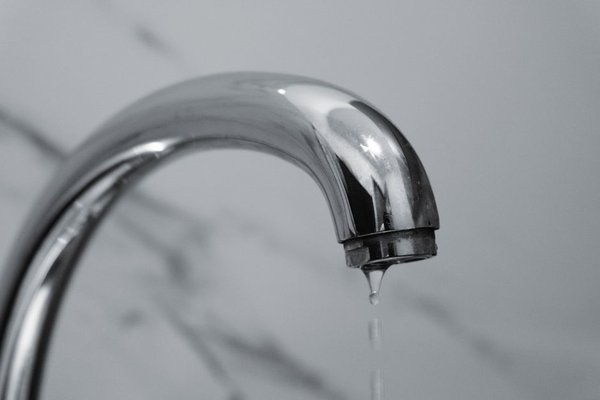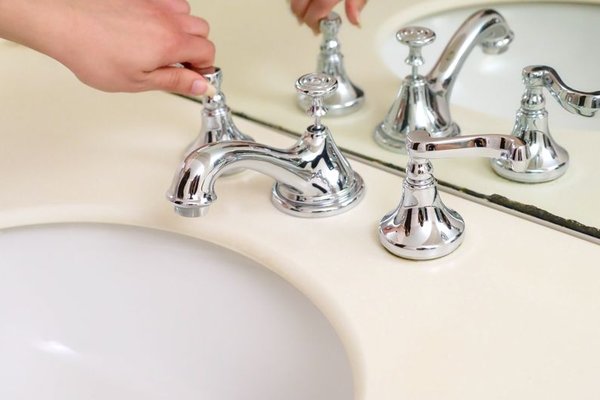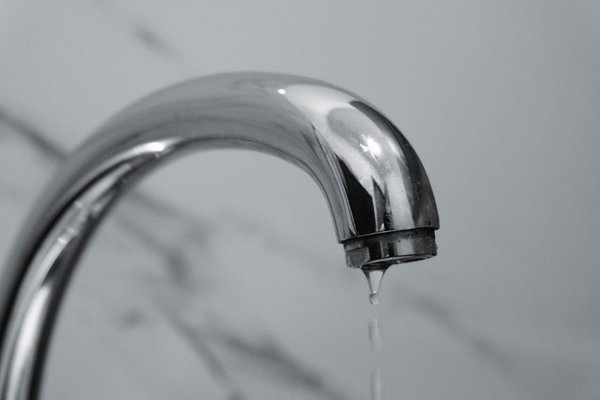
Water beneath a sink can be difficult to trace. A damp cabinet floor might sit inches below the actual problem, and a drip from a faucet connection can travel along a hose before it falls. If you have a faucet leaking under the sink, locate where water first appears—not where the puddle ends up.
Act before the cabinet base swells or moisture reaches nearby flooring. A flashlight, paper towels, and a shallow container can help narrow the cause without taking the faucet apart.
First, Make the Area Safe and Dry
Remove stored items so you can see the plumbing. Put a tray beneath the suspected leak and wipe pipes, hoses, and fittings dry. Photograph wet spots before cleaning if you may need to show a plumber.
If water is spraying, close the hot and cold shutoff valves beneath the sink. If they will not close, or a valve begins leaking when moved, use the home’s main shutoff rather than forcing an old fitting. Avoid touching electrical devices or outlets in a wet cabinet.
Do not loosen connections while water is pressurized. Even a slow leak can worsen if a damaged fitting is disturbed.
Watch When the Water Appears
Timing provides an important clue. With everything dry, check the underside of the faucet and supply lines while the faucet is off. If the leak is not severe, briefly run cold and hot water separately while watching the connections.
Water Appears With the Faucet Off
A constant drip suggests a pressurized component: the shutoff valve, a supply hose, or a faucet inlet connection. These remain under pressure when the handle is closed. Look for the first bead of water at a nut, valve stem, or hose end.
Water Appears Only While the Faucet Runs
Inspect the faucet’s internal connections and, on a pull-down model, the sprayer hose and quick-connect fitting. Check the countertop near the faucet base too. Water escaping above the sink can follow the mounting shank into the cabinet and resemble a plumbing leak.
Water Appears When the Sink Drains
The faucet may not be responsible. Fill the basin using a pitcher, then release the water while watching the drain basket, tailpiece, and trap. Moisture that appears only during draining suggests a drain-side problem rather than a faucet supply line leak.
Check the Most Likely Leak Points
Supply Hoses and Their Nuts
Follow each flexible hose from its shutoff valve to the faucet. Look for sharp bends, corrosion, damage, and moisture near crimped ends. Wrap a dry paper towel around each fitting individually; a fresh wet mark can expose a slow faucet connection leak that’s difficult to see.
If a nut is loose, turn off the supply before any adjustment and follow the manufacturer’s instructions. Do not overtighten: compression fittings and rubber seals can be damaged by excessive force. Thread-sealing tape will not repair a failed compression seal. Replace a cracked, bulging, or leaking hose rather than patching it.
Shutoff Valves Under the Sink
A shutoff valve leak might originate where the valve joins the wall pipe, where the hose attaches, or around the valve stem. Dry these areas and check separately. A stem that drips when the handle moves may have a worn seal.
A badly corroded valve, one that will not isolate the water, or a leaking wall connection needs professional attention. Replacing these parts can require shutting off the home’s main supply.
Connections Directly Beneath the Faucet
Use a flashlight to inspect fittings near the faucet body. Some models use snap connectors; others use threaded connections. An improperly seated connector can leak during use, but forcing it or fitting an incompatible replacement can worsen the problem. Identify the model before disconnecting anything.
Inspect mounting nuts as well. They secure the faucet rather than carry water, so droplets on this hardware often mean water has traveled down from higher up. Trace the wet path before assuming the mounting hardware needs replacing.
A Simple Test for a Hidden Leak
Imagine finding water beneath a kitchen faucet every evening, although the cabinet is dry each morning. After drying everything, place separate paper-towel strips beneath the hot supply fitting, cold supply fitting, and sprayer connection. Briefly run the faucet and move the pull-down sprayer as usual.
If only the towel beneath the sprayer connection becomes wet, you have narrowed the fault. If all strips stay dry but water appears while the basin empties, test the drain independently. Keep towels clear of moving parts and never leave the water running unattended.
This approach avoids tightening every nut in sight. It also gives a plumber a useful description of when and where the leak develops.
What to Fix—and When to Call a Plumber
A straightforward repair may involve reseating a manufacturer-approved quick connector or replacing a damaged flexible supply line with a compatible part. Isolate the water, relieve remaining pressure into the sink, and follow your fixture’s instructions. Restore the supply slowly and inspect disturbed connections with the faucet both off and running.
Call a licensed plumber if the source remains hidden, water enters a wall or floor, a shutoff valve fails, or corrosion has weakened fittings. Repeated leaks from the faucet body may justify replacing the fixture.
After stopping the leak, dry the cabinet thoroughly and check its seams and nearby flooring for trapped moisture. Swelling, a musty smell, or persistent dampness requires further investigation. Related guides on faucet supply line replacement, repairing a leaking sink drain, and preventing water damage under a kitchen sink can help with follow-up maintenance.
Frequently Asked Questions
Why is my faucet leaking under the sink when turned off?
The leak may come from a pressurized supply line, shutoff valve, or faucet inlet connection. These remain under pressure when the handle is closed. Dry them and identify where fresh moisture first forms.
Can a loose faucet cause water under the sink?
Yes. A loose faucet can let splashed water slip beneath its base, although its mounting hardware is not usually water-carrying. Check the countertop and base for moisture before tightening anything.
How do I tell a drain leak from a faucet leak?
Observe the plumbing with the faucet off, while running water, and while emptying a basin filled separately. Leaks only during draining generally point to the drain; continuous dripping suggests supply-side plumbing.
Is it safe to use a sink with a small leak?
Stop using it until the cause is identified and repaired. Even minor dripping can damage cabinetry, while a weakened pressurized hose or fitting may fail suddenly. Shut off the supply if dripping continues.
Final Thoughts
When there’s a leak under sink faucet plumbing, dry surfaces and careful observation beat guesswork. Identify the first wet fitting, distinguish supply problems from drain problems, and avoid forcing old connections. Finding the source early protects the cabinet and makes repair more focused.