There’s something quietly comforting about a bathroom that works exactly as it should. You turn on the tap and water flows cleanly. The toilet flushes without protest. The shower drains without leaving you ankle-deep in suds. Most of the time, we don’t think much about what’s happening behind the walls and beneath the floor. But the moment something leaks, clogs, or groans, plumbing suddenly feels very important.
That’s where a practical bathroom plumbing maintenance checklist comes in. Not as a chore chart pinned to the fridge, but as a simple rhythm of awareness and care. A few small habits can prevent big, expensive surprises later. And the best part? Most of it doesn’t require professional tools or expert knowledge—just attention and consistency.
Let’s walk through what really matters.
Understanding Why Bathroom Plumbing Needs Regular Attention
Bathrooms are hardworking spaces. They handle moisture, pressure, heat, soap residue, hair, and daily wear—all in a relatively small area. Over time, even minor stress adds up.
Faucets drip. Caulk cracks. Drains slow down almost imperceptibly. Toilet components wear out gradually. None of these issues start dramatically, which is why they’re easy to ignore. But neglect can turn a simple washer replacement into water damage or mold remediation.
A thoughtful bathroom plumbing maintenance checklist isn’t about perfection. It’s about staying ahead of gradual decline.
Checking for Hidden Leaks Before They Become Visible
Leaks rarely announce themselves loudly at first. They whisper.
A faint musty smell under the sink. A slightly warped cabinet base. A water bill that creeps upward without explanation. These are clues worth noticing.
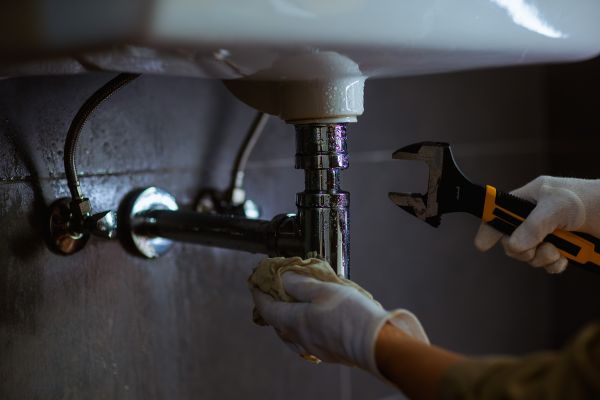
Take a few minutes each month to open vanity cabinets and inspect the pipes. Run your fingers along connections and joints. Feel for dampness. Look for corrosion, mineral buildup, or loose fittings. Even a tiny drip can cause damage over time, especially in enclosed spaces with limited airflow.
Don’t forget the base of the toilet. If you see discoloration around the floor or feel movement when you gently rock it, the wax seal may be compromised. That’s a small repair that can prevent major flooring damage.
Keeping Drains Flowing Smoothly and Naturally
Slow drains are one of the most common bathroom frustrations. And they almost always develop gradually.
Hair, soap scum, toothpaste residue, and grooming products accumulate over time. You may not notice it until water begins pooling around your feet in the shower.
As part of your bathroom plumbing maintenance checklist, remove and clean drain covers regularly. If accessible, use a simple drain tool to pull out buildup before it forms a stubborn clog. Avoid relying heavily on harsh chemical cleaners. They can damage pipes, especially in older homes, and they often provide only temporary relief.
Flushing drains with hot (not boiling) water once a week can help dissolve soap residue. A baking soda and vinegar rinse every so often can freshen and gently break down minor buildup without stressing your plumbing.
Monitoring Faucet Performance and Water Pressure
Faucets tell a story if you listen closely.
Dripping after shutoff? That could mean a worn washer or cartridge. Uneven water flow? Mineral buildup may be clogging the aerator. Reduced pressure in one fixture but not others? That narrows the issue down.
Unscrew faucet aerators occasionally and soak them in vinegar to dissolve limescale. It’s a simple task that restores flow and improves efficiency.
Pay attention to sudden pressure changes. If your shower feels dramatically weaker or stronger than usual, it might indicate a broader plumbing issue worth investigating early.
Inspecting the Toilet’s Inner Workings
The toilet is used more than almost any other plumbing fixture, yet it’s often ignored until something fails.
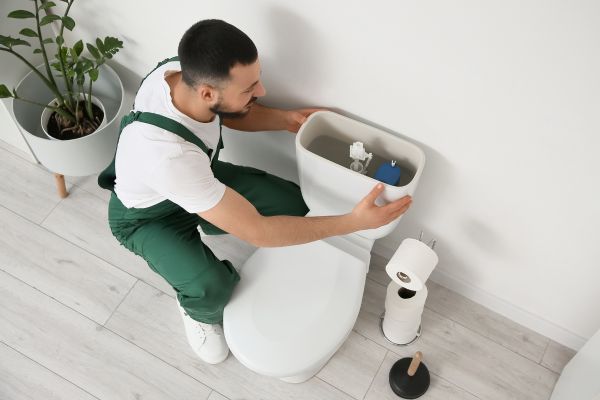
Lift the tank lid and look inside every few months. The flapper should sit properly and seal the flush valve completely. If you hear running water long after flushing, it may be worn out. Replacing a flapper is inexpensive and surprisingly easy.
Check the fill valve and float for smooth operation. Sediment can interfere with performance, especially in areas with hard water. If the tank takes unusually long to refill, it’s worth a closer look.
Also, test for silent leaks by adding a few drops of food coloring to the tank water. If color appears in the bowl without flushing, water is seeping through the flapper. It’s subtle, but over time, it wastes a significant amount of water.
Examining Caulk and Grout for Moisture Protection
Plumbing isn’t just pipes and valves. The materials around your fixtures matter too.
Cracked caulk around bathtubs, showers, and sinks allows water to seep behind surfaces. Over time, that moisture can lead to mold, mildew, and structural damage.
Run your finger along caulk lines occasionally. If it feels brittle, separated, or visibly cracked, it’s time to remove and replace it. Fresh caulk forms a flexible seal that protects the areas you don’t see.
Similarly, inspect grout lines in tiled showers. Discoloration or crumbling grout may allow water infiltration. Resealing grout periodically adds another layer of protection.
Caring for the Showerhead and Tub Fixtures
Mineral deposits can quietly reduce shower performance. If water sprays unevenly or pressure drops, the showerhead may simply need cleaning.
Unscrew it and soak in vinegar for several hours to dissolve buildup. A small brush can clear individual spray holes if needed.
Also check diverter valves in tub-shower combinations. If water continues flowing from the tub spout while the shower is running, the diverter may be worn or obstructed.
Small fixture issues may seem cosmetic, but they affect water efficiency and long-term wear.
Paying Attention to Water Heater Influence
While not located in the bathroom, your water heater plays a major role in bathroom plumbing performance.
If you notice inconsistent hot water, banging sounds in pipes, or sediment discoloration, the issue may originate from the heater. Sediment buildup inside the tank reduces efficiency and affects water clarity.
Flushing the water heater annually helps maintain performance. Temperature settings should remain at a safe and moderate level to prevent scalding and reduce stress on pipes.
Your bathroom plumbing maintenance checklist should acknowledge this connection. Bathroom problems don’t always start in the bathroom.
Watching for Early Signs of Pipe Corrosion
In older homes, pipe material matters. Galvanized steel pipes are prone to internal corrosion. Copper pipes can develop pinhole leaks. Even modern materials aren’t immune to wear.
Look for greenish stains on copper or rust-colored residue near joints. Unusual odors or metallic-tasting water can also signal issues.
If you notice repeated small leaks in different areas, it may be more than coincidence. Consistent maintenance includes knowing when to consult a professional for inspection, especially if your home is aging.
Maintaining Proper Ventilation to Support Plumbing Health
Humidity affects more than comfort—it impacts plumbing longevity.
Excess moisture encourages mold growth around fixtures and weakens seals. Always use the bathroom exhaust fan during showers and for several minutes afterward. If you don’t have one, opening a window can help.
Check that the fan is functioning properly and not clogged with dust. Adequate airflow protects caulk, grout, and even pipe integrity over time.
Plumbing maintenance isn’t isolated from environmental conditions. Airflow matters more than most people realize.
Creating a Simple Seasonal Review Habit
Rather than waiting for problems, create a rhythm.
At the start of each season, take 20 minutes to review your bathroom plumbing maintenance checklist. Check visible pipes. Test the toilet. Clean drains. Inspect seals. Observe water pressure. Listen for unfamiliar sounds.
You don’t need a clipboard or complicated system. Just awareness and consistency.
Small seasonal check-ins prevent rushed emergency repairs later.
When to Call a Professional
Maintenance doesn’t mean doing everything yourself.
Persistent leaks, recurring clogs, major pressure changes, or signs of hidden water damage require professional evaluation. There’s wisdom in knowing when something exceeds routine upkeep.
A good plumber can identify issues invisible to the untrained eye and provide long-term solutions. Maintenance is about prevention—not replacing expertise.
The Quiet Confidence of a Well-Maintained Bathroom
A thoughtfully followed bathroom plumbing maintenance checklist does more than prevent inconvenience. It builds quiet confidence in your home.
You stop worrying about surprise leaks during vacations. You avoid sudden water damage. You reduce waste. You notice small problems before they escalate.
Bathrooms may be some of the most used rooms in the house, but they don’t need to be high-stress areas. With a little attention, they can simply function—reliably, quietly, and without drama.
And perhaps that’s the real goal of maintenance. Not perfection. Not obsession. Just steady care.
Because when everything works as it should, you hardly notice it at all.