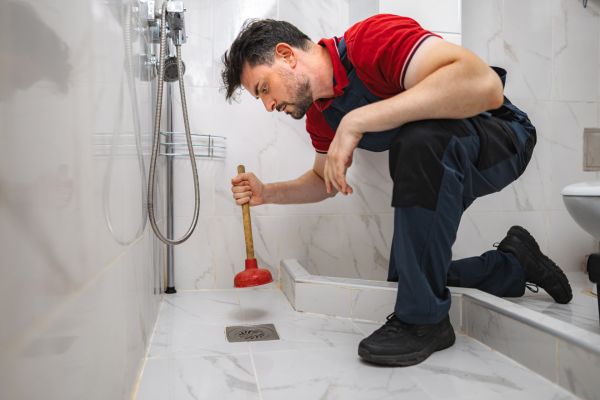
There’s something quietly frustrating about a slow-draining sink or a shower that starts pooling around your feet. It rarely happens overnight. More often, it creeps in—day by day—until one morning you realize the water just isn’t going anywhere.
Preventing clogged bathroom drains isn’t about reacting when things go wrong. It’s about understanding what’s happening beneath the surface and making small, consistent choices that keep everything flowing as it should.
Let’s take a closer look at how clogs form, why they’re so common in bathrooms, and what you can realistically do to avoid them without turning your routine upside down.
Why bathroom drains clog so easily
Bathrooms are the perfect storm for drain issues. Unlike kitchen sinks, which deal mostly with food waste, bathroom drains collect a mix of materials that behave differently when combined.
Hair is usually the main culprit. It doesn’t dissolve, and once it slips down the drain, it tends to cling to the pipe walls. Add soap residue into the mix, and things get sticky—literally. Soap, especially traditional bar soap, can leave behind a filmy layer that traps hair, skin flakes, and other debris.
Over time, this buildup thickens. It narrows the passage for water, slowing everything down until eventually, the drain clogs completely.
It’s not dramatic. It’s gradual. And that’s exactly why it often goes unnoticed until it becomes a problem.
The subtle signs you shouldn’t ignore
Before a drain fully clogs, it usually sends a few quiet warnings. Water taking longer than usual to drain is the most obvious one. But there are others that people tend to overlook.
You might notice a faint, musty smell coming from the sink or shower. That odor often comes from trapped debris beginning to break down. Gurgling sounds can also be a sign that air is struggling to move through partially blocked pipes.
These small signals matter. They’re early indicators that something is building up below—and that you still have time to prevent a full blockage.
Hair management makes a bigger difference than you think
It sounds almost too simple, but managing hair before it enters the drain is one of the most effective ways of preventing clogged bathroom drains.
Every time you brush your hair over the sink or wash it in the shower, loose strands are likely to go down the drain. Over days and weeks, that adds up. Once inside the pipes, hair doesn’t break down easily, and it tends to tangle into clumps that catch everything else.
A basic drain cover or hair catcher can make a noticeable difference. It doesn’t need to be anything complicated. Just something that sits over the drain and catches strands before they disappear.
The key, though, is consistency. It only works if you actually clear it regularly. Letting it fill up defeats the purpose, and eventually, the hair will find its way through anyway.
Soap residue and buildup are often underestimated
Most people think of soap as something that cleans, so it feels counterintuitive to consider it part of the problem. But over time, soap can leave behind a residue that clings to the inside of pipes.
This residue acts like a sticky surface. Hair, dirt, and other particles latch onto it, creating layers that gradually restrict water flow.
Switching to liquid soap instead of bar soap can sometimes reduce this buildup, as liquid formulas tend to leave less residue. But even with that change, some accumulation is inevitable.
That’s why occasional flushing of the drain becomes important. It helps break up early deposits before they turn into something more stubborn.
The role of hot water in keeping drains clear
Hot water might be one of the simplest tools available, and yet it’s often overlooked. Running hot water through your bathroom drains can help dissolve soap residue and loosen minor buildup before it hardens.
It doesn’t need to be a complicated routine. Letting hot water run for a minute or two after using the sink or shower can make a subtle but meaningful difference over time.
That said, hot water alone won’t fix everything. It works best as a preventive measure rather than a solution to an already clogged drain.
Why chemical cleaners aren’t always the answer
When a drain starts slowing down, the instinct is often to reach for a chemical cleaner. They promise quick results, and sometimes they deliver—but not without trade-offs.
These products are designed to break down organic material, but they can also be harsh on pipes, especially if used frequently. Over time, repeated exposure can weaken certain types of plumbing, particularly older systems.
There’s also the issue of temporary relief. Chemical cleaners may clear part of the blockage, but they don’t always remove it entirely. That means the problem can return sooner than expected.
Preventing clogged bathroom drains is less about finding a powerful fix and more about reducing the need for one in the first place.
Regular maintenance without overcomplicating things
The idea of “maintenance” can sound intimidating, but in reality, it doesn’t have to be. Small habits, done occasionally, are often enough to keep drains in good shape.
Pouring a mixture of warm water with a bit of mild cleaning solution down the drain once in a while can help keep residue from building up. Even something as simple as periodically removing and rinsing the drain stopper can prevent hidden accumulation.
It’s not about strict schedules or routines. It’s more about staying aware and acting before things get out of hand.
What you wash down the drain matters more than you realize
It’s easy to assume that anything small enough can go down the drain without consequence. But bathroom sinks and showers often end up carrying more than just water and soap.
Things like toothpaste residue, shaving cream, skincare products, and even tiny bits of packaging can contribute to buildup. Individually, they seem harmless. Together, they can create a surprisingly dense blockage over time.
Being a little more mindful about what gets rinsed away can reduce the overall strain on your plumbing. It’s a subtle shift, but it adds up.
The overlooked importance of the drain stopper
Drain stoppers often go unnoticed until they stop working properly. But they play a quiet role in how debris moves through your pipes.
Over time, stoppers can collect hair, soap scum, and other materials underneath or around their edges. If left unchecked, this buildup can restrict water flow even before anything reaches deeper into the pipes.
Removing and cleaning the stopper occasionally can prevent this hidden accumulation. It’s a small step that can save you from dealing with a bigger issue later.
When prevention turns into repair
Even with the best habits, clogs can still happen. Pipes age, buildup occurs, and sometimes things just don’t go as planned.
The difference is that when you’ve been mindful about preventing clogged bathroom drains, those issues tend to be less severe. They’re easier to manage, less disruptive, and often quicker to resolve.
Instead of a complete blockage, you might just notice a slight slowdown—something that can be addressed before it becomes a full-blown problem.
A quieter, more reliable routine
There’s a certain ease that comes with knowing your drains are working the way they should. No unexpected pooling water, no lingering smells, no sudden need for emergency fixes.
It doesn’t require major effort. Just a bit of awareness, a few consistent habits, and a willingness to notice the small signs before they turn into bigger ones.
Conclusion
Preventing clogged bathroom drains isn’t about perfection or constant attention. It’s about understanding how everyday actions influence what happens beneath the surface.
Hair, soap, and residue will always be part of the equation. But with a little care—clearing a drain cover, running hot water, paying attention to early signs—you can keep things moving smoothly.
In the end, it’s less about reacting to problems and more about quietly avoiding them. And that kind of prevention, while simple, makes all the difference.