Choosing between a tankless water heater and a traditional tank model is less about picking the “better” technology and more about matching the system to how your household uses hot water. A tankless unit heats water as you need it, while a storage water heater keeps a reservoir ready for use. That basic difference affects energy use, hot-water availability, installation, space, maintenance, and cost.
The most useful water heater comparison starts with two questions: How much hot water do you need at the busiest time of day, and what fuel and electrical capacity does your home already have? Those answers often matter more than claims that one type is automatically best.
How a Tank Water Heater Works
A conventional storage water heater heats a set volume of water and keeps it near a selected temperature until someone opens a hot-water tap. Performance depends on tank size, recovery rate, incoming water temperature, and thermostat setting.
Because stored water must stay hot even when no one is using it, some energy is lost through standby heat loss. The practical advantage is that a tank can deliver a relatively large amount of hot water quickly, provided the stored supply has not been depleted.
How a Tankless Water Heater Works
A tankless water heater, also called an on-demand water heater, does not maintain a large reservoir. When a tap opens, a flow sensor detects demand and the unit heats incoming water as it passes through a heat exchanger. When the tap closes, heating stops.
This avoids much of the standby energy loss associated with storing hot water. It also means the unit does not “run out” in the same way a tank does. However, continuous hot water does not mean unlimited hot water at any flow rate. Every tankless model has a maximum delivery capacity based on gallons per minute and the temperature rise it must produce.
The Biggest Practical Difference: Capacity vs. Flow Rate
Tank water heaters are usually evaluated by storage capacity and first-hour rating, while tankless systems are sized around simultaneous flow demand and required temperature rise.
Imagine a household where two showers may run while the dishwasher is operating. A properly sized storage water heater may handle that short burst by drawing from its stored supply. A tankless system must heat the entire combined flow in real time. If demand exceeds the unit’s capacity, outlet temperature may drop or the household may need to reduce simultaneous use.
For tankless, ask the installer to calculate realistic peak flow and wintertime incoming-water temperature, not simply the number of bathrooms. For a tank model, compare tank volume with first-hour rating and household usage. A related guide on water heater sizing can help clarify these numbers before you buy.
Energy Efficiency and Operating Costs
Tankless systems can be more efficient than conventional gas storage models because they heat water only when needed and avoid most standby losses. ENERGY STAR uses separate efficiency criteria for certified gas tankless and gas storage water heaters because the technologies operate differently.
Still, not every tankless unit will be the cheapest option to run. Fuel prices, hot-water use, equipment efficiency, climate, and maintenance all matter. There is also an important exception to the simple “tankless equals efficient” idea: electric heat-pump water heaters use a storage tank but can be highly efficient because they move heat instead of producing all of it with resistance elements.
If energy savings are your priority, compare the actual Uniform Energy Factor, expected operating cost, fuel type, and local utility rates. A guide to water heater energy efficiency is a useful companion when comparing product labels.
Upfront Cost and Installation
Traditional tank water heaters are often simpler and less expensive to replace when the new unit uses the same fuel, venting, and connections as the old one. That can make a like-for-like tank replacement attractive when speed and upfront cost matter.
Tankless installation may cost more if a home needs larger gas piping, new venting, a condensate drain for a condensing gas model, or electrical upgrades. In new construction or a major remodel, those changes are usually easier to plan.
Space and Maintenance
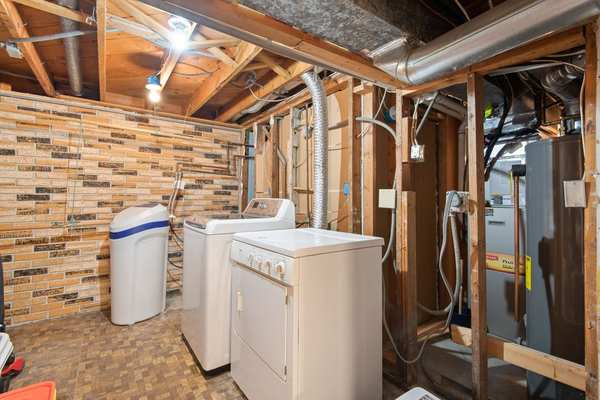
Tankless units are compact and usually wall-mounted, so they can free floor space in a utility room, garage, or small home. Storage models need room for the tank and safe service access.
Tankless water heaters can have a long service life when properly maintained, but scale buildup can reduce performance in hard-water areas, making periodic flushing or descaling necessary. Storage water heaters also need routine care. Reviewing a water heater maintenance guide before choosing either type helps put long-term ownership costs in perspective.
Which Type Fits Your Household Better?
Tankless Is Strong for Long, Steady Demand
A tankless system can suit households that value long showers, want to avoid waiting for a tank to recover, and have a predictable peak flow that a properly sized unit can handle. It is also appealing where space is limited or reduced standby loss is a priority.
A Tank Is Strong for Short, Heavy Bursts
A storage water heater may make more sense when several fixtures are used at once for short periods, when the existing installation already supports a tank efficiently, or when lower upfront replacement cost is important.
What to Compare Before You Buy
Look beyond the tank-versus-tankless label and compare four things on the actual models you are considering: installed price, efficiency rating, hot-water delivery capacity, and maintenance requirements. Then have the installer confirm that your gas line, electrical service, venting, and water conditions are suitable.
Frequently Asked Questions
Does a tankless water heater really provide endless hot water?
It can provide continuous hot water as long as the unit has fuel or power and demand stays within its rated flow capacity. If several fixtures push total demand beyond that capacity, performance can fall.
Is a tankless water heater always cheaper to run?
No. Tankless units can reduce standby losses, but total operating cost depends on efficiency, fuel prices, usage, climate, and maintenance. An efficient storage technology such as a heat-pump water heater may cost less to operate than some tankless options.
Which system is better for a large family?
Either can work. A family with staggered showers may benefit from tankless continuous delivery, while a household with several simultaneous loads may prefer a large, fast-recovery storage unit or a carefully sized high-capacity tankless system.
Can I replace a tank water heater with a tankless model directly?
Sometimes, but the change may require modifications to gas supply, venting, electrical service, drainage, or plumbing. A qualified installer should evaluate the home before equipment is purchased.
Which One Should You Choose?
For most homeowners, the right choice comes down to usage pattern rather than a simple verdict. Tankless technology is compelling when continuous demand, space savings, and reduced standby loss match the home’s infrastructure. A storage water heater remains practical when upfront simplicity, strong short bursts of hot water, and easy replacement matter more. Compare real models, size the system for peak demand, and judge the full installed and operating cost before deciding.