Why Kitchen Plumbing Deserves More Attention
The kitchen is one of the busiest rooms in any home, yet its plumbing often stays out of mind until something goes wrong. A slow-draining sink, a dripping faucet, or a strange smell from the drain can seem small at first. Then, almost overnight, that minor annoyance turns into a messy repair.
Good kitchen plumbing maintenance tips are not about becoming a professional plumber. They are about noticing habits, preventing buildup, and treating the sink, faucet, garbage disposal, and pipes with a little more care. Most kitchen plumbing problems start quietly. Grease cools inside a pipe. Food scraps collect around the drain. A tiny leak under the sink dampens the cabinet floor. By the time the problem becomes obvious, the repair is usually more expensive than the prevention would have been.
A well-maintained kitchen plumbing system keeps daily life running smoothly. It also helps protect cabinets, flooring, walls, and appliances from water damage. The best part is that most maintenance takes only a few minutes when done regularly.
Be Careful About What Goes Down the Sink
The kitchen sink is built to handle water, soap, and small amounts of everyday residue. It is not designed to work like a trash can. One of the most common causes of clogged kitchen pipes is simply putting the wrong things down the drain.
Grease is the biggest troublemaker. It may look harmless when it is warm and liquid, but once it cools, it sticks to the inside of pipes. Over time, it grabs crumbs, starch, and other debris, slowly narrowing the pipe until water struggles to pass through. Cooking oil, butter, bacon fat, creamy sauces, and pan drippings should be wiped into the trash instead of rinsed away.
Coffee grounds, rice, pasta, eggshells, and flour can also create problems. These materials may seem small, but they clump, swell, or settle inside the drain. A few scraps may not cause a clog today, but repeated habits build up over weeks and months. Scraping plates into the trash before washing them is a small routine that makes a real difference.
Keep the Drain Clean Without Harsh Chemicals
A clean drain does not need to smell like chemicals. In fact, harsh drain cleaners can sometimes damage older pipes, wear down seals, and create fumes that are unpleasant in a kitchen. A gentler approach is usually enough for regular maintenance.
Running hot water through the drain after washing dishes helps move soap film and light residue along. For a deeper clean, a simple mix of baking soda followed by vinegar can loosen mild buildup and reduce odors. After letting it fizz for a short while, flush the drain with hot water. This will not fix a serious clog, but it works well as a routine freshening method.
A drain strainer is also worth using. It catches food bits before they slip into the pipe, and it is much easier to empty a strainer than to clear a blockage later. It is one of those small kitchen items that quietly saves a lot of trouble.
Use the Garbage Disposal Properly
A garbage disposal can be useful, but it has limits. Many homeowners treat it as if it can grind anything, which is where problems begin. The disposal is meant for small, soft food scraps, not large amounts of leftovers or fibrous waste.
Always run cold water while using the disposal. Cold water helps keep fats more solid so the blades can break them up and flush them away more effectively. Let the water continue running for a few seconds after turning off the disposal so the remaining particles move fully through the pipe.
Avoid putting stringy vegetables, fruit peels, bones, shells, grease, and large food scraps into the disposal. Celery, onion skins, corn husks, and similar fibrous foods can wrap around the blades or collect inside the drain. If the disposal starts to smell, grinding a few small pieces of citrus peel can help freshen it, but do not overdo it. The goal is light cleaning, not filling the disposal with peels.
Watch for Leaks Under the Sink
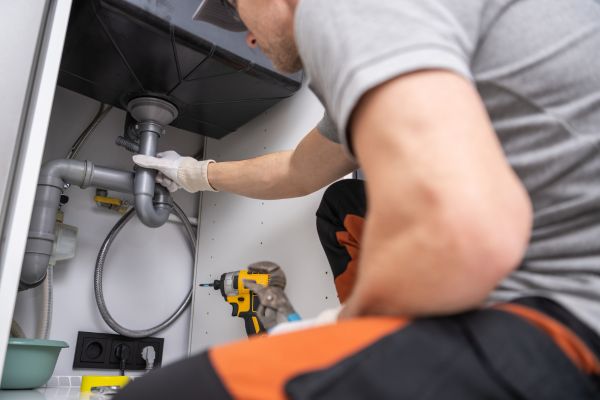
The cabinet under the kitchen sink is easy to ignore. It often becomes a storage spot for cleaners, bags, and extra supplies, which can hide early signs of leaks. Checking this area regularly is one of the most practical kitchen plumbing maintenance tips because leaks often start small.
Look for damp spots, water stains, peeling cabinet material, mildew smells, or warped wood. Run the faucet and watch the pipes underneath for a minute. Check around the P-trap, water supply lines, faucet connections, and shutoff valves. A slow drip may only appear when water is running, so a quick glance when the sink is dry is not always enough.
If you store items under the sink, keep them organized and avoid overcrowding the area. When the cabinet floor is visible, leaks are easier to catch early. A small washable mat or tray can also help reveal moisture before it spreads.
Keep the Faucet in Good Shape
A dripping faucet may not seem urgent, but it wastes water and can signal worn washers, seals, or cartridges. Over time, constant dripping can stain the sink, encourage mineral buildup, and make the faucet harder to repair.
Clean around the base of the faucet where water tends to collect. Moisture in this area can loosen caulking, damage countertops, or seep into hidden gaps. If the faucet handle feels stiff, squeaky, or loose, do not force it. Gentle attention now may prevent a larger repair later.
The aerator at the tip of the faucet also needs occasional cleaning. Mineral deposits can clog it, causing uneven water flow or splashing. Unscrewing the aerator and soaking it in vinegar helps dissolve buildup. Once rinsed and reattached, the water stream often feels noticeably smoother.
Protect Pipes From Grease and Food Buildup
Even careful households get some residue in the kitchen drain. The key is limiting how much buildup forms and giving the pipes enough help to stay clear.
After washing greasy pans, wipe them first with a paper towel or food-safe scraper. Use plenty of hot water and dish soap when cleaning oily cookware. Soap helps break down grease, while hot water keeps it moving long enough to leave the immediate sink area.
Still, hot water is not magic. It does not make grease disappear. If too much oil goes down the drain, it can cool farther along the pipe and stick there instead. That is why prevention matters more than rinsing harder afterward.
Pay Attention to Water Pressure Changes
Water pressure tells a story. If the kitchen faucet suddenly runs weaker than usual, there may be mineral buildup in the aerator, an issue with the supply line, or a broader plumbing concern. If the pressure changes only at the kitchen sink, the problem is likely local. If it happens throughout the home, it may need a larger inspection.
Low pressure can make daily tasks frustrating, but high pressure can also cause damage. Strong water pressure puts stress on pipes, valves, faucet parts, and appliance connections. If pipes bang when water shuts off, or if faucets feel unusually forceful, it may be worth having the pressure checked.
Not every change means something serious, but ignoring pressure changes is rarely wise. Plumbing problems are easier to solve when they are still small and specific.
Maintain Dishwasher Connections
The dishwasher is part of the kitchen plumbing system too. Its drain hose, water supply line, and connection to the sink or disposal all need to work properly. A dishwasher that drains slowly, leaves dirty water at the bottom, or causes gurgling in the sink may be signaling a clog or installation issue.
Clean the dishwasher filter regularly, especially if dishes go in with food residue still on them. Check around the base of the appliance for moisture, and look under the sink where the dishwasher hose connects. A loose hose or worn connection can leak quietly before anyone notices.
Running the dishwasher on a cleaning cycle from time to time also helps reduce grease, soap film, and odor. Like the sink, it performs better when it is not overloaded with scraps.
Know When a Problem Needs Professional Help
Some kitchen plumbing maintenance can be handled at home, but not every issue should be treated as a DIY project. Persistent clogs, recurring drain smells, water stains, leaking valves, or backups need proper attention. If a clog keeps returning after basic cleaning, there may be a deeper blockage in the line.
It is also smart to avoid forcing parts, overtightening fittings, or repeatedly using chemical drain cleaners. These quick fixes can make the actual problem harder and more costly to repair. A calm response is usually better than an aggressive one. Notice the symptom, stop making it worse, and get the right help when needed.
Conclusion
Kitchen plumbing maintenance is mostly about everyday awareness. It is the habit of wiping grease instead of rinsing it away, checking under the sink before a leak spreads, cleaning the drain gently, and treating the garbage disposal with realistic expectations. None of these steps are dramatic, but together they protect the kitchen from the kinds of problems that interrupt routines and drain budgets.
The best kitchen plumbing maintenance tips are simple because the goal is simple: keep water moving where it should, keep waste out of the pipes, and catch small issues before they become expensive repairs. A kitchen that drains well, smells clean, and stays dry underneath the sink gives a home a quiet kind of confidence. You may not think about the plumbing every day, and that is exactly the point.