Water is one of those household essentials most people barely notice until something feels off. A strange taste in the kitchen tap, white scale marks around faucets, cloudy glassware, dry skin after washing dishes, or appliances wearing out faster than expected can all point to underlying water issues. The water still flows, yet it may not be performing as well as it should.
That is where water filters and softeners become part of the conversation. Though often mentioned together, they solve different problems. Filters are generally designed to reduce contaminants, odors, sediment, or unpleasant tastes. Softeners address hard water by reducing minerals such as calcium and magnesium that create scale buildup.
Understanding the difference matters, especially in kitchen plumbing, where water quality directly affects drinking, cooking, cleaning, and appliance longevity. Choosing the right system is less about trends and more about matching a real household need with the right solution.
Why Kitchen Water Quality Deserves Attention
The kitchen is where water is used in some of the most personal ways. It fills kettles, boils pasta, rinses vegetables, brews coffee, washes dishes, and becomes drinking water several times a day.
When water quality is poor, those small moments become noticeable. Coffee may taste flat. Ice cubes may carry an odor. Stainless steel sinks may spot quickly. Kettles can develop stubborn limescale. Even soap may seem harder to rinse from plates or glasses.
Because kitchen water is tied to daily habits, improvements in quality are often felt quickly. A better-tasting glass of water may seem minor, yet it changes routines more than people expect.
The Difference Between Filters and Softeners
Many homeowners assume filters and softeners do the same thing. They do not.
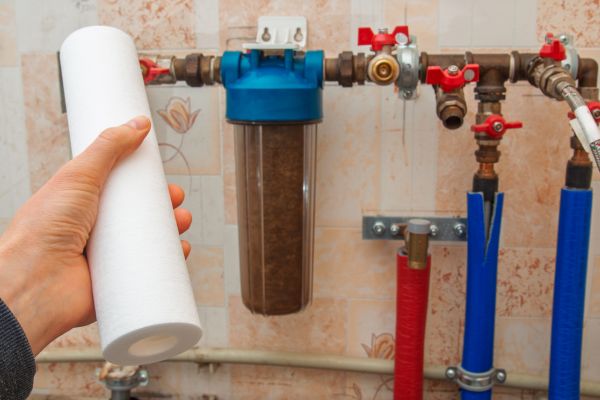
Water filters are designed to remove or reduce unwanted substances. Depending on the system, that may include sediment, chlorine, certain chemicals, rust particles, or other impurities. Activated carbon filters are common for taste and odor improvement, while reverse osmosis systems are often used for deeper purification.
Water softeners focus on hardness minerals. Hard water is not necessarily unsafe to drink, but it can be frustrating to live with. Mineral buildup on taps, dull laundry, shortened appliance lifespan, and reduced soap efficiency are common signs.
In simple terms, filters improve cleanliness and taste, while softeners improve performance and reduce scale.
Common Signs You May Need a Water Filter
Sometimes the clues are obvious. Water smells like chlorine, tastes metallic, or appears cloudy after pouring. Other times the signs are subtler.
Recurring sediment in kettle bottoms, residue in cooking pots, or frequent replacement of refrigerator filters can suggest incoming water quality issues. Families who rely heavily on bottled water often do so because they dislike the taste of tap water, even if they have never identified why.
A kitchen filter can make daily hydration easier simply by making water more pleasant to drink. That behavioral shift matters more than many technical specifications.
Common Signs You May Need a Water Softener
Hard water tends to leave evidence everywhere.
White crust around faucets, showerheads, or sink edges is one of the clearest signals. Glassware may come out of the dishwasher spotted or hazy. Soap may lather poorly. Water heaters and dishwashers may lose efficiency over time because mineral scale builds internally.
In kitchens, hard water can be especially annoying. It leaves marks on polished surfaces and makes routine cleaning feel harder than it should.
If scale returns quickly after cleaning, hardness is often the real culprit.
Under-Sink Filter Installation in the Kitchen
One of the most popular kitchen solutions is the under-sink filter system. These units are installed beneath the kitchen sink and connect to either a dedicated drinking faucet or the main cold-water line.
Their appeal is easy to understand. They stay hidden, save counter space, and provide filtered water directly where most drinking and cooking happens. Some systems are relatively compact, while multi-stage units require more room.
Installation usually involves connecting supply lines, mounting filter housings, and ensuring proper drainage if the unit includes reverse osmosis. Space planning matters here. Under-sink cabinets often already hold bins, cleaning products, or storage items.
A neat installation is not only practical but makes future maintenance easier.
Whole-House Softeners and Kitchen Benefits
Water softeners are commonly installed where water enters the home so they can treat all fixtures, not only the kitchen. That means bathrooms, laundry areas, and appliances benefit alongside the sink.
For kitchen plumbing, softened water may reduce scale in dishwashers, help glasses dry clearer, and lessen mineral deposits on faucets and sinks. Coffee machines, kettles, and ice makers often appreciate softer water too.
Because these systems usually require drain access, space for tanks, and periodic salt replenishment, installation tends to be more involved than a simple faucet filter.
Still, households in hard water regions often consider them worth the effort.
Can You Use Both Systems Together?
Yes, and many homes do.
A softener can address whole-house mineral hardness, while a kitchen drinking-water filter focuses on taste and contaminant reduction. This layered approach recognizes that different water issues require different tools.
For example, softened water may help appliances and cleaning, while a carbon or reverse osmosis filter can refine drinking water at the tap.
The key is designing systems logically rather than stacking products without purpose.
Maintenance Matters More Than Many Realize
Even excellent systems lose value if neglected.
Filters require cartridge replacement on schedule. Waiting too long can reduce performance and, in some cases, create hygiene concerns. Softeners need salt replenishment and occasional servicing to keep resin systems working properly.
Leaks, pressure changes, unusual tastes, or declining flow rates should not be ignored. Small issues can become larger plumbing problems when left unchecked.
The most successful installations are usually not the fanciest. They are the ones homeowners understand and maintain consistently.
Choosing the Right System for Your Home
The smartest starting point is identifying the actual problem. Guesswork leads many people to buy the wrong solution.
If water tastes unpleasant but fixtures stay scale-free, filtration may be the priority. If taps crust over and appliances suffer, hardness may be the bigger issue. In some homes, both conditions exist.
Water testing can provide clarity. Knowing hardness levels, sediment presence, or specific contaminants helps narrow decisions quickly.
Household size also matters. A busy family kitchen has different demands than a single-person apartment. Flow rate, maintenance costs, available space, and plumbing layout all influence the best fit.
Kitchen Design and Practical Considerations
Water treatment equipment should function well without disrupting how the kitchen works.
Extra faucets need sensible placement. Under-sink systems should allow enough room for access. Pipe routing should avoid awkward cabinet obstruction. Noise from pumps or drains may matter in open-plan homes.
Good installation respects both plumbing logic and daily convenience. The kitchen is a working room, not a showroom.
When systems fit naturally into the space, people forget they are there until they appreciate the results.
Long-Term Value Beyond Taste
Improved water quality often begins with taste, but the long-term effects can reach further.
Reduced scale may extend appliance life. Cleaner water can lessen sediment in fixtures. Better-tasting tap water may reduce bottled water use. Routine cleaning may become easier. Even cooking can subtly improve when mineral-heavy water is no longer influencing flavor.
These benefits arrive quietly, which is often how the best home upgrades work.
Conclusion
Water filters and softeners serve different purposes, yet both can meaningfully improve life in the kitchen. Filters focus on taste, odor, and unwanted particles. Softeners target mineral hardness that causes scale, wear, and cleaning frustration. Understanding that distinction is the first step toward choosing wisely.
In the end, better water is rarely about luxury. It is about making an everyday necessity work the way it should—cleaner, smoother, and more dependable each time the tap turns on.