The space under the sink is one of those hidden corners of the home that most people ignore until something goes wrong. A slow drip, a damp cabinet floor, a strange smell, or water pooling around cleaning bottles can quickly turn a normal day into a small household emergency. Under sink plumbing repair may not sound glamorous, but it is one of the most common and important parts of kitchen maintenance. The plumbing beneath a sink handles daily water flow, food particles, soap residue, grease, and waste, all while staying tucked away behind cabinet doors.
Because it sits out of sight, under-sink plumbing problems often build quietly. A loose connection may drip for weeks before anyone notices. A clogged P-trap may start with a faint odor before turning into a slow drain. A supply line may look fine from the outside but begin leaking at the valve. Understanding what happens under the sink helps homeowners spot issues earlier, avoid water damage, and know when a repair needs more than a quick tightening by hand.
Why Under Sink Plumbing Problems Are So Common
Kitchen sinks are among the busiest fixtures in any home. They handle dishwashing, food preparation, handwashing, cleaning, and sometimes even laundry-related tasks in smaller spaces. Every time the faucet runs, the plumbing beneath the sink is working. Over time, that daily use can loosen fittings, wear down washers, collect debris inside pipes, and strain connections.
The under-sink area is also exposed to moisture, cleaning chemicals, temperature changes, and occasional bumps from stored items. A plastic bottle pushed too far back can nudge a pipe. A trash bin can press against a drain connection. Even small movement can weaken seals over time. This is why under sink plumbing repair is often less about one dramatic failure and more about small parts gradually becoming loose, worn, or blocked.
In many kitchens, the plumbing setup is more complex than it looks. There may be hot and cold water supply lines, shut-off valves, a drainpipe, a P-trap, dishwasher connections, garbage disposal fittings, and sometimes a water filter system. Each part has its own connection points, and every connection is a possible place for a leak.
The First Signs Something Is Wrong Under the Sink
Most under-sink plumbing issues give warning signs before they become serious. A damp smell inside the cabinet is often one of the earliest clues. It may not look wet at first, but the air feels musty or stale. That smell can come from a tiny leak soaking into wood, old food debris trapped in the drain, or standing water inside the cabinet base.
Water stains are another common sign. Brown marks, peeling cabinet lining, swollen wood, or soft spots usually mean water has been sitting there longer than expected. Sometimes the leak is active, and sometimes it happened earlier and dried. Either way, stains deserve attention because repeated moisture can lead to mold, cabinet damage, and unpleasant odors.
A slow-draining sink also points toward a plumbing issue. Food scraps, grease, soap film, and mineral buildup can collect inside the trap or drain line. At first, the water may simply take a little longer to go down. Later, it may sit in the sink for several minutes, gurgle, or back up after the dishwasher runs.
Dripping sounds should never be ignored. Even a small drip under the sink can waste water and damage cabinets. The tricky part is that water does not always fall directly below the leak. It can travel along a pipe before dropping somewhere else, making the source harder to find.
Understanding the Parts Beneath Your Sink
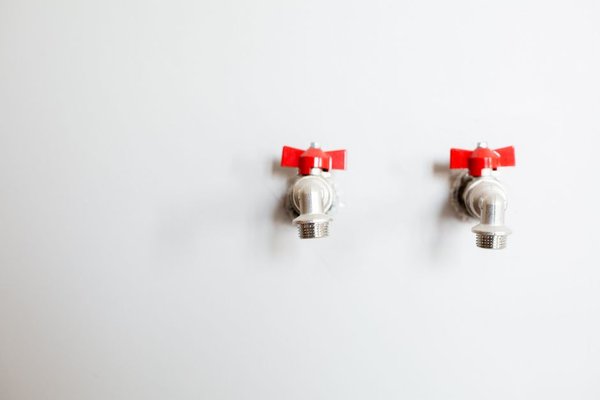
A basic understanding of under-sink plumbing makes repairs less intimidating. The water supply lines bring hot and cold water to the faucet. These are usually flexible hoses connected to shut-off valves on the wall. If a leak appears near these lines, it may come from a loose nut, worn washer, damaged hose, or failing valve.
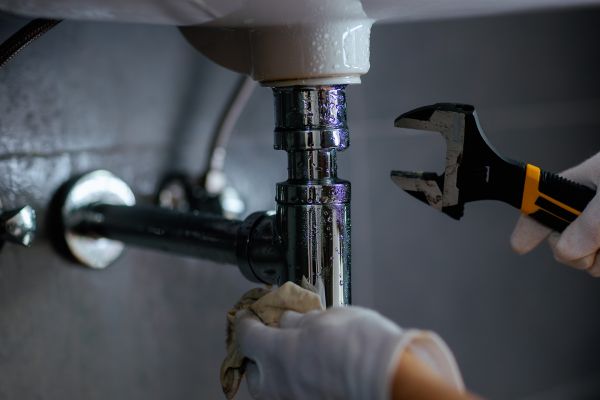
The drain assembly carries used water away from the sink. It usually includes a tailpiece below the sink drain, a curved P-trap, and a pipe leading into the wall. The P-trap is especially important because it holds a small amount of water that blocks sewer gases from entering the kitchen. When this part becomes clogged, loose, or dry, it can cause smells and drainage problems.
If the kitchen has a garbage disposal, the plumbing becomes slightly more involved. The disposal connects to the sink drain and often links to the dishwasher drain hose. A poor connection here can cause leaks, bad smells, or water backing up into the sink. Dishwasher connections are another common trouble spot because they handle warm, dirty water and can loosen over time.
Common Causes of Leaks Under the Sink
Leaks under the sink often come from simple causes, but simple does not always mean harmless. One of the most common causes is a loose slip nut on the drainpipe. These nuts hold sections of pipe together. With regular use, vibration, or slight movement, they can loosen enough for water to escape.
Worn-out washers and gaskets are another frequent problem. These small rubber or plastic parts create watertight seals between fittings. Over time, they can harden, crack, flatten, or shift out of place. Once the seal weakens, water finds its way through.
Corrosion can affect metal pipes, valves, and connections, especially in older homes or areas with hard water. Rust, mineral deposits, and greenish buildup around fittings may indicate that a part is deteriorating. Corroded pieces can sometimes be tightened temporarily, but they usually need replacement before they fail completely.
Clogs can also create leaks by increasing pressure inside the drain system. If water cannot move freely through the pipe, it may push against weak connections and escape through small gaps. This is why a leak and a slow drain often appear together.
Why Slow Drains Should Be Taken Seriously
A slow kitchen sink drain is easy to dismiss, especially if it still works eventually. But slow draining usually means something is collecting inside the pipe. Grease is one of the biggest causes. It may go down the sink as a liquid, but once it cools, it sticks to pipe walls. Food particles then cling to the grease, creating a thicker blockage over time.
Coffee grounds, rice, pasta, eggshell fragments, and fibrous vegetable scraps can also collect inside the drain. Even with a garbage disposal, the plumbing is not designed to handle every type of food waste. Some materials break down poorly and create stubborn buildup.
Chemical drain cleaners may seem like a quick fix, but they can be harsh on pipes and may not fully remove the blockage. In some cases, they only open a small pathway through the clog, leaving the rest behind. A proper under sink plumbing repair often involves cleaning the P-trap, checking the drain line, and making sure the problem is not deeper in the plumbing system.
When a Simple Repair May Be Enough
Some under-sink issues can be handled with basic care. If a slip nut is slightly loose, gently tightening it may stop a small leak. If the P-trap is clogged, removing and cleaning it may restore normal drainage. If a supply line connection is damp, checking whether the nut is secure can sometimes solve the problem.
Still, it is important to be careful. Over-tightening plastic fittings can crack them. Forcing old metal connections can make corrosion worse. Taking pipes apart without placing a bucket underneath can create a messy surprise. The best approach is calm, slow, and observant. Turn off the water when needed, dry the area completely, and watch where moisture returns.
A simple repair is usually enough when the parts are in good condition, the leak source is clear, and there is no sign of cabinet damage, mold, strong odor, or repeated clogging. But when the same problem keeps coming back, it usually means the visible issue is only part of the story.
When Professional Kitchen Plumbing Services Make Sense
There are times when calling someone experienced is the more sensible choice. If water is actively leaking and the shut-off valve does not stop it, the issue needs immediate attention. If the cabinet base is soaked or soft, the leak may have been going on longer than expected. If pipes are corroded, badly fitted, or mismatched, a temporary repair may not last.
Professional kitchen plumbing services are also useful when the sink connects to multiple systems, such as a garbage disposal, dishwasher, water filter, or instant hot water unit. These setups have more connection points and can be harder to diagnose. A leak that looks like it comes from the drain may actually come from a dishwasher hose or disposal seal.
Another reason to get help is recurring clogs. If the P-trap has been cleaned but the sink still drains slowly, the blockage may be farther down the line. In that case, repeatedly opening the trap will not solve the real problem. Proper inspection can save time and prevent unnecessary damage.
Preventing Future Under Sink Plumbing Problems
Good habits can reduce the need for under sink plumbing repair. The most helpful habit is keeping grease out of the drain. Wipe oily pans with a paper towel before washing them, and dispose of cooking grease in a container rather than rinsing it down the sink.
Using a sink strainer also makes a difference. It catches food scraps before they enter the drain. Even small particles can build up over time, especially when mixed with soap residue and grease. Running hot water after washing dishes can help move light residue along, though it should not be treated as a cure for heavy buildup.
It is also wise to check under the sink every few weeks. Open the cabinet, look for moisture, feel around pipe joints with a dry paper towel, and notice any smells. This small habit takes less than a minute, but it can catch leaks before they damage the cabinet floor.
Avoid overcrowding the cabinet as well. When bottles, bins, and cleaning supplies are packed tightly around pipes, they can bump fittings or hide early signs of leaks. Keeping the plumbing area visible makes maintenance much easier.
The Hidden Cost of Ignoring Under Sink Repairs
A small leak may not seem urgent, but water damage can spread quietly. Cabinet wood can swell, laminate can peel, and mold can begin growing in damp corners. In some cases, water can seep behind the cabinet or into flooring, creating repairs far more expensive than the original plumbing issue.
There is also the inconvenience. A small drip becomes a bowl under the pipe. A slow drain becomes a sink full of dirty water. A loose connection becomes a sudden leak while cooking or cleaning. Plumbing problems rarely improve on their own. They either stay hidden or get worse.
Under sink plumbing repair is really about protecting the comfort and function of the kitchen. The sink is used too often to leave problems unresolved. A dry, clean, properly draining sink area makes the entire kitchen feel healthier and easier to use.
Conclusion
Under-sink plumbing may be hidden behind cabinet doors, but it plays a major role in everyday kitchen life. From supply lines and shut-off valves to drainpipes, P-traps, dishwasher hoses, and disposal connections, every part needs to work together quietly and reliably. When something leaks, smells, clogs, or drains slowly, it is worth paying attention before the issue grows.
Under sink plumbing repair does not always have to be complicated, but it does require careful observation and the right response. Sometimes a small adjustment solves the problem. Other times, professional kitchen plumbing services are the safer choice, especially when leaks repeat, parts are worn, or water damage has already started. In the end, the best repair is the one that restores confidence. You close the cabinet door, run the faucet, and know that everything underneath is finally working as it should.