A plumbing vent stack is the part of a home’s drainage system that lets air move into and out of the pipes. It does not carry normal wastewater like a drainpipe. Instead, it helps the system stay close to atmospheric pressure so water can flow without pulling water out of fixture traps or forcing air back through them.
That supporting role is essential. Every sink, shower, tub, floor drain, and toilet relies on a water-filled trap to block sewer gases from entering the home. Proper drain venting helps protect those trap seals while giving displaced air somewhere to go as wastewater moves through the system.
What a Plumbing Vent Stack Actually Does
When water rushes down a drain, it changes the air pressure inside the piping. Without a reliable plumbing air vent, those pressure changes can become strong enough to disturb the water sitting in a trap. Negative pressure can siphon water from the trap, while positive pressure can cause bubbling or blowback.
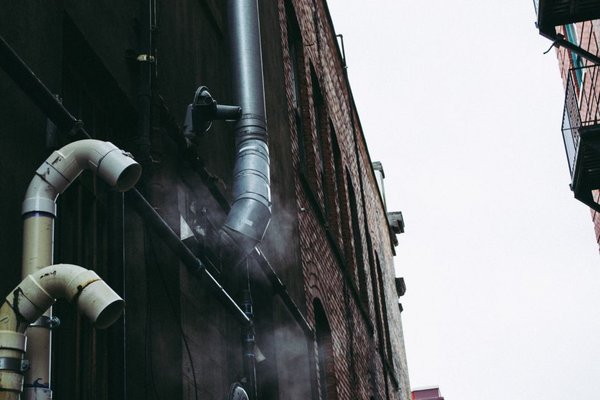
A vent stack provides a vertical air pathway connected to the drainage system. In many homes, that pathway ultimately terminates outdoors through a roof vent pipe. Plumbing codes require venting that protects fixture trap seals from excessive pressure differences.
People often use “vent stack” for almost any vertical plumbing vent, but codes are more precise. A vent stack is primarily a vertical vent pipe used to circulate air through the drainage system, while a stack vent is the venting portion of a drainage stack above its highest horizontal drain connection.
Why Drains Need Air to Work Properly
Think of pouring water from a bottle. Liquid flows more smoothly when air can replace the space it leaves behind. A home’s plumbing is more complex, but the same pressure principle applies. Wastewater moving through pipes pushes and pulls air, and the venting system gives that air a controlled path.
This is why a drainage problem can seem unrelated to the vent. A sink may gurgle after a toilet flush, or a nearby trap may lose water after a large discharge because of how air is moving through the drainage network.
How the Vent Stack Fits Into the Plumbing System
Fixture drains connect to larger branch drains, which eventually join the building’s main drainage piping. Vent pipes connect to this network at approved locations and rise upward rather than carrying regular wastewater. Individual vents may combine into larger branch vents before reaching the main vent path.
The visible roof vent pipe is only the outdoor termination of a larger network hidden behind walls and ceilings. Exact pipe sizes, connection points, and permitted venting methods vary according to the plumbing code adopted in a particular area.
Some systems use approved air admittance valves, but these devices do not automatically replace the need for an outdoor vent. Local code determines the permitted arrangement.
What Happens When a Vent Stack Is Blocked or Damaged
A vent stack can be affected by debris, animal nesting material, frost in cold climates, improper alterations, or physical damage. Possible warning signs include gurgling drains, recurring trap odors, unusual bubbling, and sluggish drainage when the fixture drain itself is not obviously clogged.
Those symptoms do not prove the vent is at fault. Slow drains are often caused by buildup or a blockage in the waste pipe, while sewer smells can come from a dry trap, failed toilet seal, loose cleanout plug, or cracked pipe. Good troubleshooting considers both drainage and venting.
A Practical Example: The Gurgling Bathroom Sink
Suppose a bathroom sink drains normally, but it gurgles whenever the nearby toilet is flushed. If the sink trap is clear and the drain line is not blocked, the sound may be caused by pressure changes in shared piping. The toilet discharge can pull air through the sink trap when the intended vent path is restricted or incorrectly arranged.
A useful homeowner check is to notice whether one fixture is affected or several react together. Multiple fixtures showing symptoms at once can point to a shared drain or vent issue and help a plumber diagnose the problem faster.
Do not climb onto a roof to clear a vent unless you have safe access, suitable equipment, and the right experience. Roof work adds fall risk, and pushing tools or chemicals into a vent without knowing the layout can create a larger problem.
How Venting Helps Keep Sewer Gas Out
The vent itself does not filter sewer gas. The water inside fixture traps is the main barrier that keeps sewer gases out of occupied rooms. Venting protects that barrier by keeping drainage pressure from siphoning or blowing out the trap seal.
If a trap loses enough water, an open path through the drain can allow gases into the home. Recurring odors accompanied by gurgling or bubbling therefore deserve attention instead of being masked.
Related maintenance topics such as clearing a clogged drain, tracing sewer smells in a bathroom, and understanding sink and shower traps are useful next steps because these problems can overlap during troubleshooting.
When to Call a Plumber
Homeowners can safely note which fixtures are affected, when gurgling occurs, whether traps contain water, and whether the problem began after remodeling or plumbing work. Altering vent piping is different because pipe diameter, slope, routing, connection height, and roof termination can all be code-controlled.
If several fixtures are affected, sewer odors persist after traps are refilled, or walls would need to be opened, a licensed plumber is the sensible next step. A plumber can determine whether the cause is a vent restriction, drain blockage, failed trap seal, or another defect.
FAQ
Is a plumbing vent stack the same as a drain stack?
No. A drain stack carries wastewater vertically through the building. A vent stack is primarily intended to move air through the drainage system. Some approved systems combine drainage and venting functions, but the terms are not interchangeable.
Does every plumbing vent have to go through the roof?
Not necessarily. Plumbing codes allow several venting methods, and air admittance valves may be permitted in some locations. However, an outdoor vent connection is still generally required somewhere in the system, subject to local code.
Can a blocked vent stack make a toilet drain slowly?
It can contribute to drainage symptoms, but a slow toilet is often caused by a partial blockage in the fixture or drain line. Gurgling in nearby fixtures or several fixtures acting up together makes a shared drain or vent problem more plausible.
Why does the vent pipe extend above the roof?
Terminating outdoors gives the drainage system access to open air and provides a place for pressure changes and gases to be relieved away from occupied rooms. Required heights and clearances vary by code.
Why the Vent Stack Matters
A plumbing vent stack is easy to overlook because most of it is hidden. Its job is to keep air moving through the drainage system so wastewater can flow while fixture trap seals remain intact. When that air path is restricted or incorrectly installed, the results may include gurgling, odors, bubbling, or drainage problems. Understanding the vent stack makes those symptoms easier to interpret and helps homeowners recognize when a simple drain complaint may need a broader plumbing inspection.