A house rarely stays completely silent when water is moving. A soft rush through a supply line is normal; a sudden bang, whistle, gurgle, or persistent drip usually deserves more attention. The useful clue is not just the sound itself, but when it happens. A noise that starts as soon as a tap closes points to a different problem from a drain that gurgles after a toilet flush.
Before calling a plumber, note where the sound is loudest, which fixture was being used, and whether the noise happens while water is running or after it stops. That simple “sound map” can help you understand common plumbing sounds and what they mean.
Banging or Knocking When Water Stops
Water hammer
A sharp bang after a tap, washing machine, dishwasher, or toilet valve shuts off is commonly associated with water hammer. When a fast-closing valve abruptly stops moving water, the pressure change can make pipes jump or strike framing inside a wall.
If the bang happens mainly when a washing machine fills and stops, its quick-closing valve may be triggering it. If several fixtures cause the same bang, high pressure, loose pipe supports, or ineffective hammer arrestors may be involved.
Repeated hard impacts can stress fittings over time. A plumber can check pressure and decide whether securing pipes or installing a properly sized water-hammer arrestor is appropriate.
Ticking or Light Knocking in Walls
Not every knock means a pressure problem. Hot-water pipes expand as they warm and contract as they cool. If a pipe passes tightly through framing or clips, that movement can create ticking or light tapping.
This sound often starts after hot water begins flowing, fades as the pipe warms, and may return while the pipe cools. If the noise is gentle and there is no leak or sudden pressure change, thermal expansion is a likely explanation.
Whistling or Squealing While Water Runs
A whistle usually means water is being forced through a restricted opening. If it happens at one tap only, check that fixture first. A partly blocked aerator, worn washer, faulty cartridge, or partially closed shutoff valve can create a high-pitched sound.
If several fixtures whistle, water pressure or a pressure-reducing valve may be involved. High pressure can also cause forceful flow and noisy pipes. If pressure seems unusually high or unstable, have a plumber assess it.
Humming or Vibrating Pipes
A low hum or vibration often comes from a component resonating as water passes through it. Possible causes include a toilet fill valve, worn washer, partially closed valve, or pressure regulator.
Try isolating the source one fixture at a time. If the humming stops when a toilet finishes filling, the fill valve becomes an obvious suspect. If the sound occurs throughout the home whenever water is used, the main shutoff, pressure regulator, or incoming supply deserves closer inspection.
Gurgling From a Sink, Shower, or Tub
A gurgling drain means air and water are not moving smoothly through the drainage system. A partial clog is common when only one sink or shower is affected. Hair, soap residue, grease, or debris can narrow the pipe and force air through trapped water.
When several fixtures gurgle, especially when one fixture is used and another reacts, the problem may be deeper in the drain or vent system. For example, flushing a toilet that makes a nearby sink gurgle can indicate restricted airflow or a developing blockage in a shared line.
Do not keep running large amounts of water if drains are slowing and gurgling at the same time; that combination can precede a backup. A slow-drain troubleshooting guide is useful for one affected fixture, but recurring multi-fixture symptoms justify a plumber.
Dripping When Every Tap Is Off
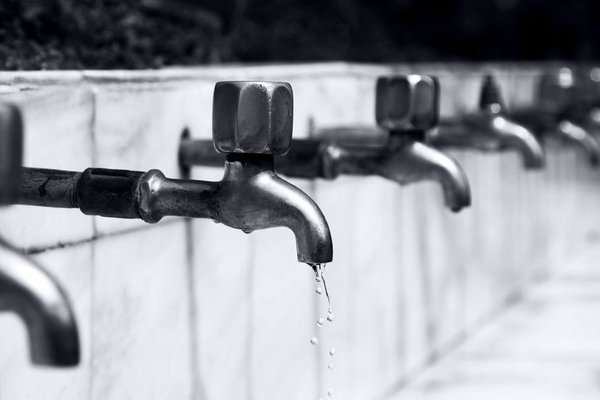
A steady drip is easy to recognise but not always easy to locate. A dripping tap may need a cartridge, washer, seal, or valve repair. A drip heard inside a wall or ceiling is more urgent because water may be escaping where it cannot dry properly.
If you hear dripping but cannot see water, check under sinks, around toilets, near the water heater, and below rooms containing plumbing. Look for staining, swelling, soft drywall, musty odours, or unexplained water use. If the sound continues with all fixtures off, arrange an inspection.
Hissing From a Toilet
A toilet that hisses long after flushing is often allowing water to continue through the fill system. The fill valve may not be closing correctly, or water may be leaking from the tank into the bowl and causing the valve to refill repeatedly.
Remove the tank lid and watch the water level after filling. If water keeps entering, reaches the overflow tube, or the fill valve repeatedly restarts, the internal parts need adjustment or replacement.
Popping From a Tank Water Heater
Popping or crackling from a storage water heater is often linked to mineral sediment collecting at the bottom of the tank. As the heater warms the water, pockets of water beneath or within the sediment can create noise.
Do not dismantle gas or electrical components. If the sound is persistent, heating performance has dropped, or the unit shows leaking or corrosion, have it inspected by a qualified professional.
When a Plumbing Sound Needs Faster Attention
Arrange prompt help if a sound is accompanied by visible leaking, sewage backup, loss of water pressure, repeated pipe movement, water stains, or unusual activity around a water heater. If the problem is intermittent, record a short video and note what was running at the time. That can give a plumber useful diagnostic information.
Frequently Asked Questions
Why do my pipes bang when I turn off a tap?
A sudden bang is often water hammer, especially after a fast valve closure. Loose pipes or high pressure can make the noise worse. Repeated hard banging should be checked.
Is a gurgling drain always a clog?
No. A partial clog is common, but gurgling can also point to a venting problem or a blockage farther down a shared drain. Multiple gurgling fixtures are more concerning than one isolated sink.
Can high water pressure make plumbing noisy?
Yes. Excessive or unstable pressure can contribute to whistling, banging, vibration, and premature wear on valves. A plumber can test the supply and inspect the pressure-reducing valve if one is installed.
Should I call a plumber for every strange sound?
Not necessarily. Mild ticking from thermal expansion or a single noisy tap may be straightforward to investigate. Call sooner when the noise is severe, recurring, affects multiple fixtures, or appears with leaking, drainage problems, pressure changes, or water-heater concerns.
Listen for the Pattern, Not Just the Noise
The same home can produce several harmless and problematic sounds, so diagnosis works best when you connect the noise to a specific event. A bang after a valve closes suggests water hammer; a whistle during flow points toward restriction or pressure; a gurgling drain directs attention to drainage and venting; and persistent hissing often leads back to a valve that is not sealing properly.
Note when the sound starts, where it is loudest, and what other symptoms appear. That can help you decide what is safe to monitor and when professional plumbing help is the sensible next move.