A water heater can fail with very little warning, and the first question is usually practical: how much will a professional replacement cost? In the United States, water heater installation cost depends on far more than the sticker price of the appliance. The fuel type, tank capacity, condition of existing connections, permits, and access to the installation area can all change your final bill.
For a standard tank water heater, a reasonable national budgeting range is about $600 to $3,100 installed. Tankless installations commonly run $1,400 to $5,600, while heat pump models may cost $2,000 to $4,600 installed. These are broad 2026 market estimates, not guaranteed local quotes. A straightforward replacement can be much cheaper than a conversion that requires substantial work.
What Does Water Heater Installation Usually Cost?
The most useful comparison is the complete installed price, not the new water heater cost alone. A conventional 40- or 50-gallon tank often has the lowest upfront price because installers can reuse suitable existing plumbing and power or gas connections.
Standard Tank Water Heaters
Installed prices for common tank units generally fall between $600 and $3,100. The lower end is more likely with a basic electric model and a simple replacement. Larger tanks, premium warranties, gas venting work, and difficult access push costs higher. Choosing the same fuel type and a similar size typically keeps the job simpler.
Tankless Water Heaters
A tankless system heats water on demand, but the higher equipment price is only part of the difference. Expect roughly $1,400 to $5,600 installed, with gas units often costing more than electric versions. A switch from tank to tankless may require upgraded gas supply, venting, electrical capacity, or relocated pipes. Ask the installer to separate the conversion work from the appliance price.
Heat Pump Water Heaters
Heat pump models can reduce electricity use compared with conventional electric resistance heaters, but installation can require suitable air space, condensate drainage, and an appropriate electrical connection. Installed costs of about $2,000 to $4,600 are a useful starting point. Check current utility and state rebates before choosing equipment; eligibility and amounts vary by location.
How a Professional Installation Quote Breaks Down
A detailed quote should explain where your money goes. The water heater replacement cost usually combines the unit, labor, supplies, code-related adjustments, and disposal of the old appliance. A single lump-sum price makes it harder to compare bids fairly.
Equipment and Materials
Unit prices vary by size, fuel source, efficiency, and warranty. Materials can include shutoff valves, flexible connectors, piping, a drain pan, discharge piping, and an expansion tank where required. Some contractors include these in a standard package, while others itemize them. Ask exactly which parts are included.
Plumber Installation Cost and Labor
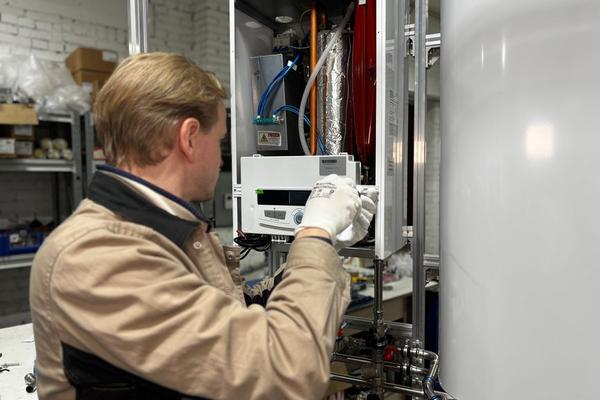
For a conventional tank replacement, water heater labor cost often falls around $200 to $1,000 nationally. More complex tankless work may cost considerably more. Labor reflects time spent disconnecting and removing the old unit, positioning and connecting the new one, making safe fuel or electrical connections, testing, and cleaning up. Electricians or additional trades may be needed for certain upgrades.
Permits, Inspections, and Removal
Local permit charges can range from a few dozen dollars to several hundred dollars; one national cost guide places many replacement permits around $25 to $300. Requirements differ by municipality and job scope. Confirm who obtains the permit, pays the fee, and arranges inspection. Also ask whether old-tank draining, hauling, and disposal are included, especially when the heater is in an attic or basement.
Why Two Homes Can Receive Very Different Prices
Imagine two neighbors replacing identical 50-gallon gas tanks. One has an accessible garage installation with connections that meet current requirements. The other has a cramped utility closet, outdated venting, and a shutoff valve that needs replacement. Even with the same equipment, the second job can involve more materials, labor, and inspections.
Common cost drivers include regional trade rates, emergency or after-hours service, stairs and tight clearances, fuel-type changes, ventilation, seismic restraints where required, and electrical or plumbing updates. A larger household does not automatically need the largest tank: sizing depends on peak hot-water demand and the equipment’s first-hour rating or tankless flow capacity.
Before accepting a quote, consider a water heater sizing guide so you are not paying for unnecessary capacity. Comparing tank vs. tankless water heaters is also worthwhile if your current system struggles to meet household demand.
A Realistic Example of a Replacement Budget
Suppose a homeowner receives an illustrative quote of $1,650 for a like-for-like electric tank replacement: $850 for the water heater, $400 for installation labor, $180 for approved connectors and related supplies, $120 for a permit, and $100 for removal. Those figures are an example of how pricing can be structured, not a standard price every contractor will offer.
Now imagine the electrical circuit also needs upgrading. That expense could materially increase the total and may require a licensed electrician. Requesting an itemized estimate before work begins makes such differences visible and helps prevent confusion over what the original price covered.
How to Compare Quotes Without Sacrificing Safety
Get two or three written estimates where practical, preferably after the installer has reviewed the current unit and its surroundings. Give each contractor the same details: fuel type, capacity, location, photographs of the connections, and whether the old unit leaks. Ask for the proposed make and model, warranty coverage, permit responsibility, removal charges, and any exclusions.
Check licensing and insurance requirements in your jurisdiction. The cheapest quote is not always the best if it omits a required permit, proper venting, or necessary code work. A reliable installer should explain potential extra charges before starting and provide documentation after completion. For long-term upkeep, follow a water heater maintenance checklist appropriate to your model.
Frequently Asked Questions
How much does it cost to replace a 50-gallon water heater?
A standard 50-gallon tank can cost roughly $700 to $3,100 installed nationally, depending on fuel type, product quality, location, and necessary upgrades. Get a site-specific quote for a useful local figure.
Is installation labor included in advertised water heater prices?
Not always. Retail listings may show equipment-only pricing, while contractor quotes may include materials and labor. Verify whether permits, removal, and any connection changes are included.
Does switching to tankless save money immediately?
Usually not on installation. Tankless systems typically cost more upfront, and operating savings depend on household water use, fuel prices, and system efficiency. Compare total ownership costs rather than assuming a fast payback.
Can I claim a federal tax credit for a 2026 heat pump installation?
The federal Energy Efficient Home Improvement Credit for eligible heat pump water heaters covered qualifying installations through December 31, 2025, and does not apply to installations completed in 2026 under that program. Local and utility incentives may still be available.
Making Sense of Your Final Price
The right installation quote tells you what you are buying, what work is included, and which conditions could raise the cost. Begin with the broad national range, then compare detailed local estimates for your home’s actual connections and hot-water needs. That approach is far more useful than choosing a heater based only on its shelf price.