A garbage disposal is one of those kitchen features people rarely think about until it stops working, makes a strange noise, or disappears from the sink setup entirely. When it works well, it quietly handles small food scraps, keeps cleanup moving, and makes the kitchen feel a little easier to manage. When it is missing or poorly installed, the sink can quickly become a source of clogs, odors, leaks, and daily frustration.
Garbage disposal installation may seem like a simple kitchen upgrade, but it involves more than attaching a machine under the sink. The unit has to connect properly to the sink drain, plumbing lines, dishwasher connection if one is present, and in many cases, an electrical power source. A small mistake in alignment, sealing, wiring, or drainage can lead to bigger problems later.
For homeowners planning a kitchen improvement, replacing an old unit, or adding a disposal for the first time, understanding the installation process helps set realistic expectations. It also makes it easier to know when a project is suitable for a confident DIYer and when a kitchen plumber is the safer choice.
Why Garbage Disposals Matter in a Modern Kitchen
A garbage disposal is designed to grind small food waste into particles that can move through the plumbing system more easily. It does not replace a trash can, compost bin, or good sink habits, but it can make everyday cleanup more convenient.
In a busy kitchen, small scraps often end up near the sink. Rice grains, vegetable peels, soft leftovers, and tiny food particles can collect in the drain if they are not handled properly. A disposal helps reduce buildup by breaking down suitable scraps before they travel through the pipes.
The benefit is partly convenience and partly cleanliness. A kitchen sink that drains well and stays free from lingering food particles is less likely to develop unpleasant smells. It also makes washing dishes, rinsing plates, and preparing meals feel smoother.
Still, a garbage disposal is only helpful when it is correctly installed and used with care. It is not meant for bones, grease, large fibrous waste, hard shells, or thick food loads. Installation gives the unit a proper start, but good habits keep it working well.
Understanding What Installation Really Involves
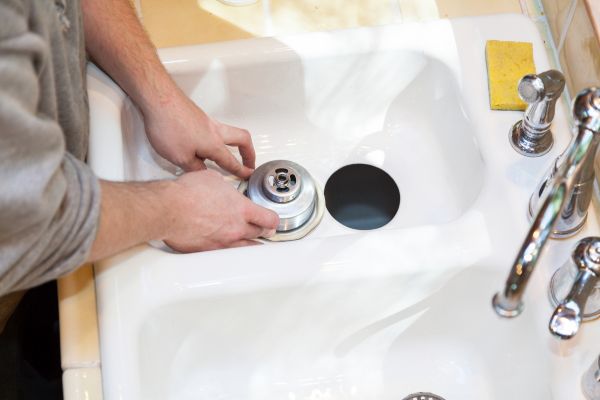
Garbage disposal installation usually begins with the sink opening itself. The old drain assembly or previous disposal must be removed, and the sink flange needs to be fitted securely. This flange is the visible metal ring inside the sink drain, and it connects to the disposal underneath.
A watertight seal is essential at this point. If the flange is not seated correctly or the sealing material is poorly applied, water can seep around the sink opening. A tiny leak may not be obvious right away, especially under a crowded kitchen cabinet, but over time it can damage wood, create odor, or encourage mold growth.
Under the sink, the mounting assembly holds the disposal in place. The unit must be locked into position and aligned with the drain pipe. If there is a dishwasher, its drain hose may also connect to the disposal. This connection needs attention because some new disposals include a knockout plug that must be removed before dishwasher drainage can pass through.
The final setup may also involve electrical wiring or plugging the unit into an outlet. Some disposals are corded, while others are hardwired. Electrical work should always be handled carefully, especially in a kitchen where water and power are close together.
Choosing the Right Garbage Disposal Unit
Before installation, the disposal itself must match the needs of the household and the existing kitchen setup. Not every unit is right for every sink.
Motor size is one of the first things to consider. Smaller units may be enough for light use in a small household. Larger families or frequent home cooks may prefer a stronger motor that can handle more regular use. A more powerful unit may also operate more smoothly, especially when grinding tougher food scraps that are still appropriate for disposal use.
Noise level is another factor. Some disposals are designed with sound insulation to reduce vibration and grinding noise. This can matter in open-plan homes where the kitchen connects to living or dining areas.
Size under the sink also matters. A large disposal may not fit comfortably if the cabinet is already crowded with plumbing lines, water filters, cleaning supplies, or a deep sink basin. Measuring the available space before buying can prevent an awkward installation surprise.
Durability is worth considering as well. Stainless steel grinding components often resist corrosion better than cheaper materials. A good disposal does not need to be the most expensive model available, but it should be suitable for the way the kitchen is actually used.
When Replacing an Old Disposal Is the Better Choice
Many garbage disposal installation projects begin because an old unit has failed. Sometimes the signs are obvious. The disposal hums but does not grind, leaks from the bottom, trips the reset button repeatedly, or gives off odors that cleaning does not solve. Other times, the unit simply becomes less effective over the years.
A disposal that leaks from the sink flange may only need resealing, but a leak from the body of the unit often means replacement is more practical. Internal corrosion can wear down the casing, and once water begins escaping from the unit itself, repair may not be worthwhile.
Frequent jams are another clue. Occasional jams can happen, especially if the wrong items enter the disposal. But if the unit jams often even with normal use, the grinding mechanism may be worn or the motor may be struggling.
Age also plays a role. Older disposals may be noisier, less efficient, and more prone to problems. Replacing the unit can restore smoother sink performance and may prevent leaks or clogs from developing unexpectedly.
The Role of Kitchen Plumbers in Installation
Kitchen plumbers handle the practical side of garbage disposal installation with an eye for both function and safety. Their work is not only about attaching the unit. It is also about making sure the sink drains correctly, the fittings are sealed, the dishwasher connection works, and the plumbing layout supports the new appliance.
This is especially helpful when the installation is not straightforward. Older kitchens may have unusual drain configurations. Some sinks may need a new flange, updated pipes, or adjustments to the trap. A double-basin sink may require careful alignment so both sides drain properly.
A plumber can also identify problems that may not be obvious at first glance. A slow-draining sink, worn trap, loose pipe, or improper dishwasher drain loop can affect how well the disposal performs. Fixing those issues during installation may prevent future trouble.
For homeowners who are comfortable with tools, basic replacement may seem manageable. But if plumbing modifications, leaks, electrical uncertainty, or dishwasher connections are involved, professional installation can provide peace of mind.
Common Installation Mistakes to Avoid
A garbage disposal can look properly installed while still having hidden issues. One common mistake is failing to create a strong seal around the sink flange. If the flange is uneven or loose, water can leak into the cabinet below.
Another problem is poor drain alignment. Pipes should connect naturally without being forced into position. When plumbing parts are bent, twisted, or placed under pressure, leaks are more likely to develop over time.
The dishwasher connection is also easy to overlook. If the knockout plug is not removed on a disposal connected to a dishwasher, the dishwasher may not drain properly. This can lead to standing water inside the machine and confusion about what went wrong.
Using the wrong pipe fittings can create drainage issues too. A disposal should connect in a way that allows water and ground waste to flow smoothly through the trap. Improper slope or awkward pipe placement may encourage clogs.
Electrical mistakes are another concern. A disposal should be powered safely and controlled by an appropriate switch. Loose wiring, overloaded circuits, or unsafe outlet placement can create hazards that are not worth the risk.
What to Expect During the Installation Process
A typical garbage disposal installation starts by clearing the under-sink area and turning off power to the disposal circuit if electrical work is involved. If an old unit is present, it is disconnected from the drain, mounting assembly, dishwasher hose, and power source.
The installer then removes the old sink flange and cleans the drain opening. This step matters because old plumber’s putty, grime, or corrosion can interfere with the new seal. Once the area is clean, the new flange and mounting hardware are installed.
The disposal is then lifted into place and locked onto the mounting ring. This can be physically awkward because the unit is heavy and must be aligned correctly under the sink. After that, the drain pipe is connected, and the dishwasher hose is attached if needed.
Once everything is secure, the installer checks for leaks by running water through the sink. The disposal is tested to make sure it starts properly, drains well, and does not vibrate excessively. A careful test at the end can catch small problems before they become cabinet-damaging leaks.
How Installation Affects Long-Term Performance
The performance of a garbage disposal depends partly on the quality of the unit and partly on the quality of the installation. A good disposal can still perform poorly if it is installed with weak seals, poor alignment, or improper drainage.
A well-installed unit should feel stable under the sink. It should not shake heavily, leak around the flange, or push water back into the sink. The drain should clear smoothly, and the dishwasher should empty properly if connected through the disposal.
Proper installation can also reduce noise. Some vibration is normal, but loose mounting or misaligned pipes can make the unit sound louder than it should. Tight, balanced installation helps the disposal operate more smoothly.
Long-term reliability often comes down to small details. A secure flange, correct trap connection, proper dishwasher setup, and safe power supply all work together. When one part is ignored, the whole system can suffer.
Caring for a Newly Installed Garbage Disposal
After installation, daily use matters. Running cold water before, during, and after using the disposal helps move waste through the pipes. Cold water also helps keep grease more solid, making it less likely to coat the inside of the drain. Even so, grease should not be poured into the disposal.
Food should be added gradually rather than pushed in all at once. Large amounts of scraps can overload the motor or clog the drain. Fibrous foods like celery strings, corn husks, onion skins, and artichoke leaves can wrap around grinding parts and should usually be avoided.
Hard items such as bones, fruit pits, and shells can damage the disposal or dull the grinding components. Coffee grounds are also commonly misunderstood. While a small amount may seem harmless, regular disposal of grounds can contribute to pipe buildup.
For freshness, occasional cleaning with mild dish soap and cold water can help. Some people use small citrus peels for scent, but they should be used sparingly. The goal is to keep the disposal clean without treating it like a heavy-duty waste machine.
Signs the Installation Needs Attention
After garbage disposal installation, the sink should operate smoothly. If there are leaks, strange smells, poor drainage, or unusual vibration, something may need adjustment.
A leak under the sink is the most urgent sign. Water may appear around the flange, drain pipe, dishwasher hose, or bottom of the unit. Any leak should be checked quickly because cabinet damage can happen quietly.
Slow drainage may point to pipe alignment problems, clogs, or improper installation. If water backs up into one side of a double sink when the disposal runs, the drain setup may need inspection.
A loud rattling sound could mean something is inside the disposal, but it may also indicate a loose part or mounting issue. The unit should never be reached into by hand. Power should be turned off before any inspection.
Persistent odors after cleaning may suggest trapped food, drainage issues, or buildup inside the plumbing. A newly installed disposal should not create ongoing smells when used properly.
Why Proper Installation Is Worth the Attention
Garbage disposal installation is a practical kitchen upgrade, but it deserves careful handling. The unit sits at the meeting point of water, waste, plumbing, and electricity. That combination leaves little room for careless work.
A properly installed disposal improves kitchen cleanup, supports better sink drainage, and reduces the chances of leaks or clogs. It can also make the under-sink area easier to maintain because everything is connected neatly and securely.
For many homes, the disposal becomes part of the daily rhythm of the kitchen. It handles the small messes after dinner, the scraps from meal prep, and the little bits that would otherwise sit in the drain. When it works well, it almost disappears into the background.
That quiet reliability is the real value of a good installation.
Conclusion
Garbage disposal installation may look like a small project, but it has a noticeable effect on how a kitchen functions. A well-chosen and properly installed unit can make cleanup easier, help manage small food scraps, and keep the sink area feeling cleaner and more efficient.
The process involves more than placing a device under the sink. It requires correct sealing, solid mounting, safe power connection, proper drainage, and attention to the dishwasher line when one is involved. These details shape how well the disposal performs over time.
Whether replacing an old unit or installing one for the first time, the smartest approach is to treat the project with care. A garbage disposal is not the most visible part of a kitchen, but when it is installed correctly, it becomes one of the most useful.