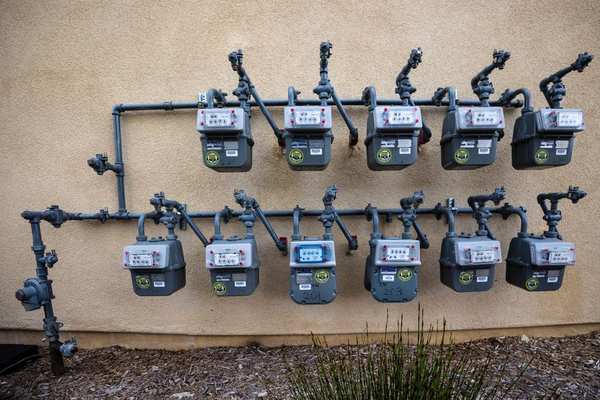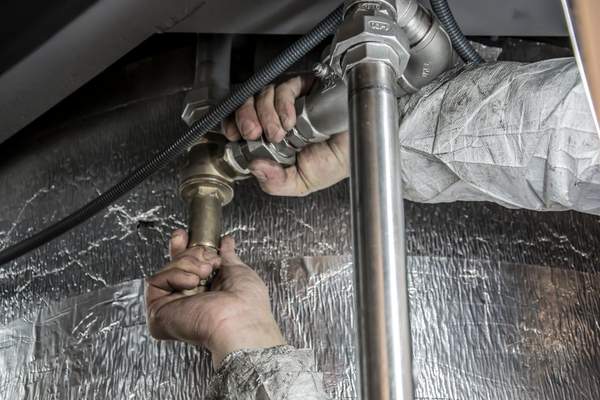
Pipe fittings are the small components that turn separate lengths of pipe into a working home plumbing system. Pipes carry water or waste, while fittings change direction, join sections, create branches, reduce pipe size, or connect pipework to valves and fixtures. For a DIY beginner, learning the most common fittings makes it much easier to understand what is happening under a sink, behind a wall, or beside a water heater.
The simplest way to recognise plumbing fittings is by the job they perform. If the pipe turns, you are probably looking at an elbow. If two straight sections meet, it may be a coupling. If one line becomes two, a tee is likely involved. Material and joining method matter too, because PVC fittings, copper fittings, and push-fit connectors belong to different pipe systems.
Elbows: Changing the Direction of Pipework
A pipe elbow changes the direction of a pipe run. Common versions include 90-degree and 45-degree elbows. A 90-degree elbow makes a sharper turn, while a 45-degree fitting gives a gentler change of direction. Elbows are common beneath sinks, inside walls, and around obstacles. Always match the fitting to the pipe material and connection method.
Couplings: Joining Two Straight Pipe Sections
A pipe coupling joins two pieces of pipe in a straight line. It is often used when extending a run or replacing a damaged section. Standard couplings usually create a fixed connection, while repair or slip couplings can help where there is little room to move existing pipe.
For example, if a short section of accessible plastic pipe cracks, the damaged piece may be cut out and replaced with new pipe joined at both ends using suitable couplings. The fitting and joining method must be compatible with that pipe system.
Tees: Creating a New Branch
A tee has three openings and allows one pipe run to branch into another. In a home water-supply system, a tee might let the main line continue while a branch feeds a basin, toilet, appliance, or another fixture. Reducing tees provide a smaller branch where the design calls for one.
Reducers: Connecting Different Pipe Sizes
A reducer connects pipework of different diameters. It is useful when a larger supply line needs to transition to a smaller branch or connection. The reduction may be built into another fitting or installed separately. Do not estimate size by appearance alone, because plumbing sizes are often nominal.
Adapters: Changing the Connection Type
Adapters allow components with different connection methods to work together. One side may be threaded while the other is designed for solvent welding, compression, soldering, or another approved method. They are common where pipework meets a valve, appliance connection, tap connector, or a different pipe material.
A fitting that physically connects is not automatically suitable for drinking water, hot water, or the operating pressure of the system, so always check its intended use.
Unions: Connections Designed to Come Apart
A union joins two sections of pipe but can later be disconnected without cutting the pipe. This makes it useful near serviceable equipment such as pumps, filters, or some water-heating components. Once the water supply is safely isolated, the connected component can be removed more easily.
Caps and Plugs: Closing Unused Openings
Caps and plugs both close pipe openings. A cap generally fits over or onto the end of a pipe, while a plug usually fits into a fitting or threaded opening. They are useful for unused branches, testing, or future connections, but any permanent closure should be compatible with the pipe and properly rated.
Cross Fittings and Bushings
A cross fitting has four openings and can connect several branches at one point, although separate tees are more common in simple domestic layouts. A bushing serves a different purpose: it fits into a larger fitting opening to create a smaller connection. Bushings are often found in threaded and plastic systems.
Materials and Connection Methods Matter
The same fitting shape can be made for very different plumbing systems. PVC fittings are especially common in drainage, waste, and vent pipework, while PVC pressure pipe is used for certain cold-water applications in some locations. CPVC is a different material with different temperature capabilities. Copper systems may use soldered, press, or compression fittings, while modern plastic supply pipe may use push-fit, crimp, clamp, or proprietary connectors.
Before buying a fitting, confirm the pipe material, nominal size, pressure and temperature requirements, and approved joining method. Manufacturer instructions and local plumbing rules should guide concealed work, hot-water lines, and drinking-water systems. A guide to common plumbing pipe materials can help when the existing pipe itself is difficult to identify.
A Simple Way to Identify the Fitting You Need
Ask three questions: what should the pipe do here, what material is the existing pipe, and what size is it? A turn points to an elbow, a straight join to a coupling, a new branch to a tee, and a size change to a reducer. If the connection method changes, an adapter may be needed.
Before dismantling several connections, take a clear photo and label the pipes. This is especially useful under a sink, where supply lines, valves, waste fittings, and appliance connections can sit close together. A guide to sink plumbing parts can help distinguish general pipe fittings from traps and fixture-specific components.
FAQ
What are the most common pipe fittings in a home?
Elbows, couplings, tees, reducers, adapters, caps, and plugs are among the most common. The exact mix depends on the pipe material, layout, fixtures, and whether the fitting belongs to a water-supply or drainage system.
Can PVC fittings be used with any type of pipe?
No. PVC fittings are made for compatible PVC systems and specific joining methods. Connecting PVC to another material normally requires an approved transition fitting or adapter.
What is the difference between a coupling and a union?
Both join pipe sections, but a coupling is usually a fixed connection. A union is designed to be disconnected later, which can make servicing nearby equipment easier.
How do I know what size pipe fitting to buy?
Identify the pipe material and nominal size, then match the fitting to that system. Do not rely only on an outside measurement, because sizing conventions can differ between materials and standards.
Understanding Fittings Makes Plumbing Easier to Read
Most pipe fittings perform a simple function: turn, join, branch, reduce, adapt, disconnect, or close. Once you identify that function, choosing the right fitting category becomes much easier. The final choice still needs to match the exact pipe material, size, and approved connection method.
For straightforward accessible repairs, careful identification can help you buy the correct part and understand how the system fits together. For concealed pipework, major alterations, or work controlled by local code or licensing rules, use a qualified professional. Small as they are, the right fittings are essential to a reliable, leak-free plumbing system.