A clogged kitchen sink has a way of turning an ordinary day into a small household crisis. One minute you are rinsing plates after dinner, and the next you are staring at murky water that refuses to drain. It is inconvenient, slightly unpleasant, and often confusing because the problem may seem to appear without warning. In reality, most kitchen sink clogs build up slowly over time. Grease, food particles, soap residue, and small bits of debris collect inside the drain until water can no longer pass through easily.
Clogged kitchen sink repair is not always complicated, but it does require the right approach. Some clogs can be cleared with simple home methods, while others need more careful attention. The key is knowing what may be causing the blockage, what steps are safe to try, and when the issue is bigger than a normal household drain problem.
Why Kitchen Sinks Get Clogged So Often
The kitchen sink handles more daily waste than many people realize. Even when you are careful, tiny food scraps, cooking oils, coffee grounds, and dish soap pass through the drain. Over time, these materials can stick to the inside of the pipe. Grease is one of the biggest troublemakers because it may go down as a warm liquid but cools and hardens once it reaches the pipe.
Food waste can also settle in bends and narrow spots inside the plumbing. Rice, pasta, eggshell fragments, vegetable peels, and fibrous scraps can create a stubborn blockage. If a garbage disposal is attached, people sometimes assume it can handle everything. But disposals are helpful tools, not magic machines. They can still struggle with thick, sticky, or stringy waste.
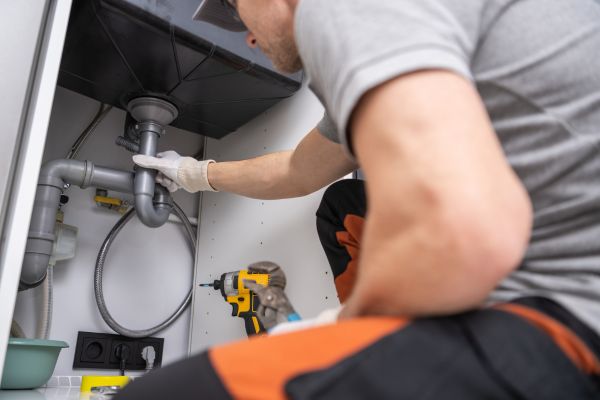
Another common reason for a slow kitchen sink is buildup in the P-trap, the curved pipe under the sink. This part of the plumbing catches debris and helps stop sewer gases from entering the home. Because of its shape, it is also a natural place for food particles and sludge to collect.
Early Signs Your Sink Is Starting to Clog
Most clogs do not happen all at once. A sink usually gives small warnings before it becomes fully blocked. Water may drain more slowly than usual, or you may notice bubbles rising from the drain after running the tap. Sometimes there is a faint unpleasant smell, especially after washing greasy dishes or leaving the sink unused for a while.
Another sign is water backing up into the other side of a double sink. This can happen when the blockage is located beyond the point where both sink drains connect. If you run the garbage disposal and water pushes upward instead of draining down, that is another clue that the pipe is not flowing properly.
Paying attention to these early signs can make clogged kitchen sink repair easier. A slow drain is usually simpler to fix than a completely blocked one. Waiting too long can allow the buildup to become thicker and more difficult to remove.
Simple First Steps Before Trying Repairs
Before reaching for tools or drain cleaners, it helps to pause and check the situation. If the sink is full of standing water, remove as much water as possible with a cup or small container. This makes the area easier to work with and prevents splashing.
If the sink has a garbage disposal, make sure it is switched off before doing anything near the drain. Never place your hand inside the disposal opening. If the disposal is humming, jammed, or not turning properly, the clog may be related to the disposal rather than the drainpipe itself.
It is also useful to look under the sink for leaks or signs of water damage. Sometimes a clog puts extra pressure on old connections, and small leaks may appear around pipe joints. If water is dripping from the plumbing, the issue needs careful handling rather than aggressive plunging.
Using Hot Water the Right Way
Hot water can sometimes help with light grease buildup, especially if the sink is draining slowly rather than completely blocked. Run hot tap water for a few minutes and watch whether the flow improves. This method works best when the clog is fresh and caused by soap film or soft grease.
However, boiling water should be used with caution. Very hot water may damage some types of plastic pipes or loosen older pipe connections. It can also worsen certain clogs by moving grease farther down the pipe, where it cools and hardens again. Warm-to-hot tap water is usually the safer first attempt.
For minor buildup, hot water followed by a small amount of dish soap may help break down greasy residue. The soap helps loosen oils from the pipe walls, while the water pushes the softened material along. It is not a cure for serious clogs, but it can be useful for early drainage problems.
Plunging a Kitchen Sink Properly
A plunger is one of the most practical tools for clogged kitchen sink repair. The important thing is using it correctly. A flat-bottom sink plunger is usually better than a toilet plunger for this job. There should be enough water in the sink to cover the rubber cup so it can create suction.
For a double sink, block the second drain opening with a wet cloth or sink stopper. This helps pressure move toward the clog instead of escaping through the other drain. Place the plunger firmly over the clogged drain and push down gently at first, then use steady up-and-down motions. The goal is not just force; it is controlled pressure.
After several plunges, lift the plunger and see if the water begins to drain. If it does, run warm water to flush the pipe. If nothing changes after repeated attempts, the clog may be too solid or too far down the line for a plunger to clear.
Checking the P-Trap Under the Sink
If plunging does not work, the P-trap may be the next place to check. This curved pipe under the sink often collects grease, food particles, and small objects. Before removing it, place a bucket underneath because water and debris will likely spill out.
Most modern P-traps can be loosened by hand or with adjustable pliers, depending on the fittings. Once removed, the trap can be cleaned and rinsed. This part of the process is messy, but it often solves common kitchen sink clogs. If the trap is clear, the blockage may be deeper in the wall pipe or main drain line.
When reinstalling the P-trap, make sure the connections are snug but not overtightened. Plastic fittings can crack if too much force is used. After everything is back in place, run water and check carefully for leaks.
Why Chemical Drain Cleaners Can Be Risky
Chemical drain cleaners are easy to find, but they are not always the best solution. Many contain harsh ingredients that can damage pipes, especially if used repeatedly. They may also create heat inside the drain, which can be risky for older plumbing or plastic pipes.
Another issue is that chemical cleaners do not always remove the entire clog. They may burn a small channel through the blockage, allowing water to drain temporarily while leaving buildup behind. The clog can return soon after, sometimes worse than before.
There is also a safety concern. If a chemical cleaner fails and you later need to plunge, remove the P-trap, or call a plumber, the standing water may contain irritating chemicals. For that reason, mechanical methods such as plunging, trap cleaning, or drain snaking are often safer and more effective.
When a Drain Snake May Help
A drain snake, sometimes called an auger, can reach clogs that are farther down the pipe. It works by feeding a flexible cable into the drain and breaking up or pulling out the blockage. For kitchen sinks, a small hand snake is often enough for moderate clogs.
The snake can be inserted through the drain opening or through the pipe after removing the P-trap. When it meets resistance, gentle turning can help break through the clog. It is important not to force the cable too aggressively because rough handling may damage pipes or fittings.
Drain snaking can be very effective, especially for clogs made of compacted food waste or sludge. Still, if the cable keeps hitting a hard blockage or cannot move through the line, the problem may require professional equipment.
When the Problem Is Beyond the Sink
Sometimes the kitchen sink is not the only issue. If multiple drains in the home are slow, or water backs up into other fixtures, the clog may be in a larger drain line. This is more serious than a simple sink blockage. It may involve the main sewer line, a venting problem, or a deeper obstruction in the plumbing system.
Gurgling sounds from nearby drains can also point to a bigger issue. A properly working drain needs air movement as well as water flow. If the vent system is blocked or the main line is restricted, drains may act strangely even if the sink pipe itself is clear.
In these cases, repeated home repair attempts may only waste time. A deeper plumbing problem needs proper inspection, and sometimes specialized tools are required to locate and clear the blockage.
Preventing Future Kitchen Sink Clogs
Prevention is easier than repair. The best habit is keeping grease out of the drain. Cooking oil, melted fat, and buttery residue should be wiped from pans with a paper towel before washing. Larger amounts of grease should be collected in a container and thrown away once cooled.
Food scraps should go into the trash or compost instead of the sink. Even small pieces can collect in the pipes over time. If you use a garbage disposal, run plenty of cold water while it operates and continue running water for a short time afterward. Cold water helps keep grease more solid so it can move through the disposal in small pieces rather than coating the pipe.
A simple sink strainer can also make a big difference. It catches food particles before they enter the drain and is easy to clean after each use. Regularly flushing the sink with warm water can help reduce light buildup, especially after washing oily dishes.
Knowing When to Call for Help
There is no shame in calling a plumber when a clog refuses to clear. Some blockages are simply beyond what basic tools can handle. If water keeps backing up, if the same sink clogs repeatedly, or if there is a bad smell coming from the drain, it may be time for a closer inspection.
Professional clogged kitchen sink repair may involve advanced snaking, hydro jetting, or checking the pipe condition with a camera. This can reveal problems such as heavy grease buildup, pipe damage, poor installation, or deeper line obstructions. Fixing the real cause is better than clearing the same clog again and again.
It is especially important to get help if there are leaks, old pipes, or signs of water damage under the sink. A small drain problem can become more costly if water begins damaging cabinets, flooring, or walls.
Conclusion
A clogged kitchen sink is frustrating, but it is also one of the most common plumbing problems in the home. In many cases, the cause is ordinary buildup from grease, food waste, soap residue, or debris trapped in the P-trap. Simple steps like using hot water carefully, plunging properly, cleaning the trap, or using a drain snake can often restore normal flow.
The best approach to clogged kitchen sink repair is calm and practical. Start with safe methods, avoid harsh shortcuts, and pay attention to what the sink is telling you. If the clog is deeper, recurring, or connected to other drainage problems, professional help may be the smarter choice. A clean, free-flowing kitchen sink is easy to take for granted, but once it stops working, it reminds us how much the everyday rhythm of a home depends on simple plumbing doing its job quietly.