Every time you empty a sink, flush a toilet, or finish a shower, used water disappears from view in seconds. Behind the walls and beneath the floor, pipes move that wastewater away from your home. Unlike the water-supply system, which uses pressure to deliver clean water, a home drainage system mainly depends on gravity, correct pipe slopes, and air movement.
Understanding how it works helps explain gurgling drains, unpleasant smells, and blockages affecting several fixtures. The design becomes logical once you follow the path to the final sewer or septic connection.
The basic job of a home drainage system
A home drain system collects wastewater from fixtures and appliances, then carries it safely out of the building. It must also prevent sewer gases from entering rooms and allow air into the wastewater pipes so water can flow freely.
Most homes use a drain-waste-vent arrangement. Drain and waste pipes carry water and solids outward, while vent pipes balance pressure. Without suitable venting, a drain may empty slowly, gurgle, or pull water out of nearby traps.
How wastewater travels from a fixture
Water enters the fixture drain
The journey begins at the drain opening. Water from a basin, shower, appliance, or toilet enters a branch pipe. Toilets use larger outlets because they move both liquid and solid waste, while sinks generally connect to narrower pipes.
Gravity drainage works because horizontal pipes are installed with a slight downward slope. The pipe should not be flat or excessively steep. A controlled slope helps water carry waste along instead of leaving solids behind.
Wastewater passes through a trap
Most fixtures have a curved pipe called a trap. The P-shaped pipe beneath a sink is the easiest example. After water drains, a small amount remains in the bend. This forms a seal that blocks sewer gases, insects, and odours from entering the room.
If a fixture is rarely used, its trap water can evaporate. A dry floor drain in a guest bathroom, utility room, or basement may therefore smell like a sewer. Pouring water into the drain often restores the seal. Persistent odours may indicate a damaged trap, loose connection, or venting problem.
Branch drains join larger pipes
After the trap, wastewater enters a branch drain. Several branches may connect to a larger vertical pipe called a soil stack or waste stack. Toilet waste generally enters a soil pipe, while other fixtures may connect through waste pipes. These flows usually combine before leaving the property.
The increasing pipe size is one of the key drain line basics. Small fixture pipes feed larger branches, which feed the main building drain. This provides enough capacity for several fixtures to discharge.
Why plumbing vents are essential
Water cannot move smoothly through a closed pipe unless air can replace the space it leaves behind. Vent pipes provide that air and release pressure above the roof. They also protect the water seals inside traps.
Think about pouring liquid from a bottle. When air cannot enter, the liquid glugs and surges. A poorly vented drain can behave similarly, emptying slowly or making one fixture gurgle when another is used.
Some homes use approved air-admittance valves in suitable locations. These allow air into the system when negative pressure develops, but they do not replace every external vent. Requirements vary, so alterations should follow local plumbing rules.
Where the main drain takes the wastewater
Below the lowest fixtures, the stacks connect to the building drain. This larger pipe runs beneath the ground floor or foundation and exits the home. From there, the route depends on whether the property uses a public sewer or septic system.
Homes connected to a public sewer
The building drain joins a sewer lateral, which carries wastewater to the public sewer main. The municipal network transports it to a treatment facility, where solids and contaminants are treated before release or reuse.
Homes with a septic system
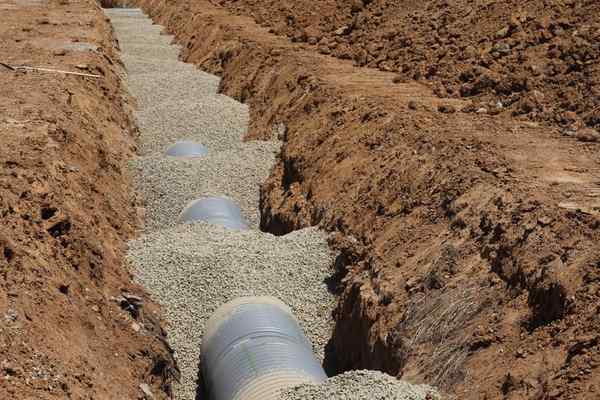
Wastewater flows into an underground septic tank. Solids settle, lighter material rises, and liquid effluent moves to a drainage field, where it is dispersed and treated through the soil. Septic tanks need periodic inspection and pumping because accumulated solids do not disappear on their own.
A practical example: what happens after a toilet flush
Imagine a first-floor toilet being flushed. Water and waste pass through the toilet’s built-in trap and enter a large branch pipe. Gravity carries the contents towards the soil stack, while the vent system prevents a disruptive pressure change. The flow continues down the stack, joins the building drain, and travels to the sewer lateral or septic tank.
If that toilet makes a nearby sink gurgle, the sound may suggest restricted airflow or a developing blockage. If several ground-floor fixtures back up together, the problem is more likely in a shared branch or main drain than in one fixture trap.
Features that keep drains working
Cleanouts provide access for inspecting or clearing pipes without dismantling fixtures. They are often placed near direction changes, at the base of stacks, or where the building drain leaves the property.
Pipe slope, diameter, smooth connections, and limited sharp turns affect performance. Grease, wipes, hair, food debris, and foreign objects can narrow a pipe. Toilets should generally receive only human waste and toilet paper, while cooking fats should be cooled and disposed of rather than poured down a sink.
Useful related topics include how a home water supply system works, common causes of slow drains, and signs of a sewer line problem.
Signs the drainage system needs attention
One slow sink usually points to a local obstruction. Several slow or overflowing drains may indicate a deeper blockage. Warning signs include repeated gurgling, sewage smells, water around a floor drain, damp patches near hidden pipes, or unusually lush ground above a sewer or septic line.
A plunger or removable trap may solve a local clog, but recurring backups deserve professional investigation. Chemical drain cleaners can damage some materials, create hazards, and fail to remove the underlying obstruction.
Frequently asked questions
Does a home drainage system use water pressure?
It relies mainly on gravity rather than supply pressure. Correctly sloped pipes move wastewater downward, while vents balance air pressure so the flow remains steady.
Why is there water in the pipe under my sink?
That water is meant to remain in the trap. It creates a seal that prevents sewer gases and odours from entering the room.
Where does wastewater go after leaving the house?
It normally travels through a sewer lateral to a public treatment system or into a private septic tank and drainage field.
Why do multiple drains back up together?
When several fixtures are affected at once, the obstruction may be in a shared branch, building drain, sewer lateral, or septic system rather than one small fixture pipe.
The system works as one connected pathway
A home drainage system is more than a collection of pipes. Traps block gases, vents manage air pressure, branch drains gather flow, and the main drain carries everything towards the sewer or septic system. When each part is correctly sized, sloped, connected, and maintained, wastewater leaves the home quietly and reliably. Knowing that pathway helps you respond before a minor issue becomes a major backup.