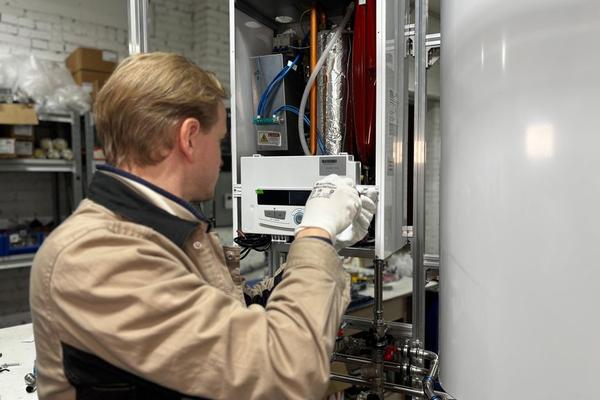
When hot water disappears, should you repair the heater or replace it? Water heater repair cost depends less on the symptom alone than on the failed component, the heater’s age, and the work needed to reach it. One inexpensive part may restore hot water. A corroded storage tank, however, tells a very different story.
For U.S. homeowners comparing quotes, the useful starting point is a realistic price range, followed by a decision about how much life remains in the equipment.
How Much Does Water Heater Repair Cost?
Published U.S. estimates vary by project mix. Angi’s 2026 data puts most professional repairs around $228 to $1,017, with an average near $616. HomeGuide reports roughly $150 to $700 for many standard tank repairs. Neither figure is a guaranteed local price: a basic service visit may cost far less than replacing an expensive gas control or tankless heat exchanger.
Ask whether the quoted total includes diagnosis, parts, labor, taxes, and any return visit. Some contractors apply the diagnostic charge toward approved repairs; others bill it separately. Confirm this before booking, especially when comparing an inexpensive fix against replacement.
Common Problems and Typical Repair Prices
The following are broad U.S. professional-service estimates, generally including parts and labor. Actual quotes depend on heater model, location, accessibility, and whether related damage needs attention.
Electric Heating Element: $100–$350
An electric tank that produces lukewarm water or runs out unusually quickly may have a failed heating element. Testing matters because a defective thermostat can cause similar symptoms. The element itself is often inexpensive, but safely draining or accessing the assembly and checking the electrical system adds labor.
Thermostat: $100–$350
Unstable water temperature may indicate a thermostat problem. The replacement price depends on whether the unit uses ordinary electric controls or a more complicated integrated assembly. Before approving a new thermostat, ask the technician what test confirmed the failure.
Thermocouple or Pilot Issue: $50–$325
Older gas heaters with standing pilots may stop heating when the flame-sensing thermocouple fails. A simple pilot service can be relatively inexpensive; replacing the thermocouple costs more. Electronic-ignition heaters work differently, so identifying the exact model prevents paying for a part the appliance does not use.
Gas Control Valve: $150–$550
A faulty gas control valve can prevent heating or create a safety concern. This is professional work, not a homeowner repair. If you smell gas, leave the building without operating electrical switches and contact the gas utility or emergency services from a safe location.
Pressure Relief Valve: $50–$300
A temperature-and-pressure relief valve that drips or discharges needs investigation, not simply a new valve. Excessive pressure, overheating, or expansion problems can trigger discharge. Have the underlying cause checked; never cap or block the discharge line.
Anode Rod or Sediment Service: $75–$350
Anode rod replacement commonly falls around $150 to $350, while professional tank flushing often costs $75 to $250. These services address different issues: an anode rod helps limit corrosion, whereas flushing removes accumulated sediment. Neither will repair a tank that has already rusted through.
Why Heater Type Changes the Estimate
Standard electric storage heaters often have straightforward replaceable elements and thermostats. Gas tanks add ignition, fuel-control, and venting components that require specialized checks. Tankless models may need descaling, sensor work, or electronic troubleshooting; HomeGuide places many tankless repairs around $300 to $1,300, depending on the fault.
Heat pump water heaters introduce fans, refrigeration components, and electronic controls. Their service requirements may be different from those of conventional electric tanks. Provide the model number when requesting a quote, and ask whether the contractor services that technology regularly.
What Makes the Final Bill Higher?
The water heater parts cost is only part of the invoice. A heating element might cost tens of dollars, yet installation requires diagnosis, safe isolation, tools, and skilled labor. The water heater service cost can also rise when a unit sits in a crowded closet, needs urgent after-hours attention, or requires additional plumbing or vent repairs.
Ask for an itemized estimate separating the service-call fee, replacement components, labor, and any additional work. This makes two plumber water heater repair quotes genuinely comparable, rather than judging them by a single headline number.
When Repair Is Smarter—and When Replacement Wins
A healthy seven-year-old electric tank with one failed element is usually a stronger repair candidate than a twelve-year-old tank with repeated failures. As a practical screening rule, compare the proposed repair against a written replacement quote. If repairing an aging unit approaches half the installed replacement price, replacement deserves serious consideration. This is a rule of thumb, not an automatic cutoff.
Water around a connection may be repairable; water escaping from the tank shell usually means replacement. Ask the plumber to identify the leak source before deciding. Our water heater replacement cost guide can help you compare full installed prices, including permits and any necessary upgrades.
For example, a homeowner offered a $280 element replacement on a reasonably young heater may have little reason to spend $1,500 on a new tank. But a $650 repair on an older, corroding tank deserves a replacement quote, particularly when another failure could follow soon.
How to Get a Useful Quote Before Booking
Take a photo of the model and serial label, note the heater’s approximate age, and describe exactly what happens: no hot water, intermittent heating, strange sounds, or visible leakage. If water is escaping, protect the area and follow the manufacturer’s instructions for shutting down the appliance if safe to do so.
Request at least two written estimates when the problem is not an emergency. Ask what diagnostic work is included, whether the repair carries a parts-and-labor warranty, and whether the quoted price changes if another component proves defective. Our water heater maintenance checklist explains routine service questions worth discussing after the immediate problem is resolved.
Frequently Asked Questions
What is the average hot water heater repair cost?
Angi reports a 2026 national average of about $616, although common tank repairs may be quoted within a lower $150–$700 range. The actual cost depends on the failure, local labor rates, and appliance type.
Is it worth repairing a ten-year-old water heater?
Sometimes. A low-cost component replacement can still be sensible if the tank is sound. Multiple failures, corrosion, or a major repair approaching half the replacement price shift the decision toward a new heater.
Does homeowners insurance cover water heater repairs?
Ordinary wear and mechanical breakdown are generally excluded from standard homeowners policies. Sudden resulting water damage may be treated differently, depending on the policy and cause. Review your coverage rather than assuming the appliance itself is insured.
Can a leaking water heater be repaired?
A loose fitting, valve, or nearby pipe may be repairable. A leaking storage tank shell generally cannot be restored safely or economically. A professional should confirm which part is leaking before you authorize work.
Make the Price Work for the Heater You Have
A sound repair decision starts with the diagnosis, not just the lowest quote. Confirm the failed part, request an all-in price, and weigh that cost against the heater’s condition and remaining useful life. Small component failures often justify repair. Tank corrosion, recurring breakdowns, and expensive work on an aging unit make replacement the better long-term conversation.