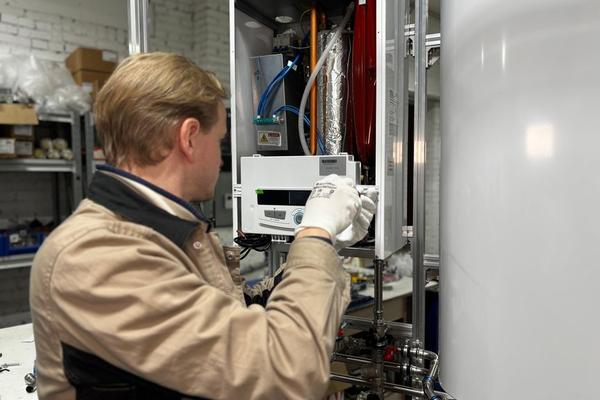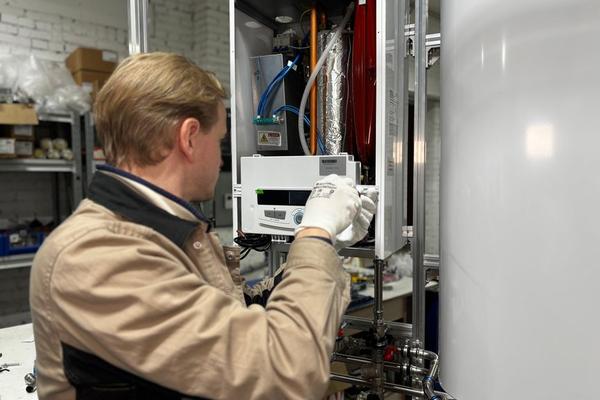
Most water heaters don’t fail without warning. A small puddle, rising heating times or a faint rumble may appear long before the hot water disappears. Regular water heater maintenance gives you a chance to spot these changes, reduce sediment and protect parts that are expensive to ignore. The goal isn’t to dismantle the appliance every weekend. It’s to combine simple observations with the right scheduled service.
Build a maintenance routine around your heater
Start by finding the manufacturer’s model number and care instructions. A conventional storage tank, a tankless unit and a heat pump water heater need different attention. Water hardness, age and local installation conditions also affect service intervals. The manufacturer’s manual should take priority over any generic schedule.
A useful rhythm is a quick visual check each month, a review of performance every season and annual water heater maintenance based on the manual. Keep the installation date and previous service reports together to help recognize unusual changes.
What to check without opening the system
Look for leaks, rust and blocked airflow
Check the floor beneath the heater, fittings above it and accessible pipe connections. Moisture from a loose connection is different from water seeping through a corroded tank, but neither should be ignored. Rust streaks, wet insulation or repeated pooling warrant a plumber’s assessment. A leaking tank often needs replacement rather than patching.
Keep stored boxes and cleaning products away from the appliance. Gas models need unobstructed combustion air and safe venting. Heat pump models need sufficient airflow around their intake and exhaust. Never cover vents or remove protective panels during a routine homeowner inspection.
Watch the hot water itself
Notice changes in recovery time, water temperature, volume and sound. A popping or rumbling tank can indicate sediment, although noise alone isn’t a diagnosis. Discolored water may come from plumbing elsewhere in the house. Compare hot and cold taps before assuming the heater is responsible.
For example, if a household suddenly runs out of hot water halfway through its usual morning showers, record when it happens and whether other fixtures are affected. That detail gives a water heater service technician a more useful starting point than simply saying the heater feels weaker.
Deal with sediment before it becomes a bigger problem
Minerals carried by water can settle in the bottom of a storage tank. In hard-water areas, deposits may accumulate faster, contributing to noise, reduced usable capacity and extra strain on components. Many manufacturers recommend periodic draining or flushing; once a year is a common starting point, but some manuals specify shorter intervals.
Flushing is not risk-free. Water can cause severe burns, and a neglected drain valve may seize or leak after use. Follow your specific manual, isolate electrical or gas heating as directed, cool the water and route discharge safely. Never energize an electric tank while it is empty. If you’re unsure about the sequence, have a qualified professional perform the flush.
Protect the tank with an anode rod inspection
Many glass-lined steel storage tanks use a sacrificial anode rod to attract corrosion so the tank itself is better protected. The rod is gradually consumed and may need replacement. Its life depends on water chemistry, softened water, temperature and usage; there is no reliable universal replacement date.
Have the rod inspected at the interval specified for your model, often during annual service. A technician can judge depletion, fit the correct replacement and check the fitting for leaks. Some designs use powered anodes instead, with different maintenance requirements. A model-specific water heater maintenance checklist matters.
Keep safety controls and temperature in view
The temperature-and-pressure relief valve is a critical safety device on storage heaters. It must have an appropriate discharge route and should never be capped or plugged. Follow the manufacturer’s testing instructions, but consider leaving valve testing to a professional, especially when the outlet is inaccessible or testing could release scalding water. A valve that drips continuously, fails to reseat or has a damaged discharge pipe needs prompt attention.
Check the hot-water temperature with a suitable thermometer at a tap and discuss safe settings with your installer. Around 120°F (49°C) at the point of use is commonly recommended to reduce scald risk, but storage-temperature and mixing-valve requirements can differ for hygiene, household vulnerability and local rules. Don’t guess at a thermostat setting when the system includes a tempering valve.
Tankless and heat pump systems need different upkeep
Tankless heaters don’t store a large tank of sediment, but scale can collect inside the heat exchanger. Depending on water hardness and manufacturer guidance, they may need periodic descaling, inlet-filter cleaning and combustion checks on gas models. Descaling uses a model-approved procedure and solution; a qualified technician is a sensible choice when isolation valves or instructions are unfamiliar.
Heat pump water heaters may have air filters and condensate drainage that need inspection or cleaning. Keep airflow paths clear and follow the manual’s cleaning schedule. Neither system should be treated as maintenance-free just because it operates efficiently.
A practical water heater maintenance checklist
Once a month, look for moisture, corrosion, obstructed ventilation and changes in noise or hot-water delivery. Every few months, review the temperature and any error indicators, noting changes rather than resetting faults repeatedly. At the manufacturer’s specified interval, arrange sediment flushing or tankless descaling as appropriate.
During annual water heater maintenance, ask the service provider to assess the anode system where fitted, safety valve, accessible connections and general operation. Gas appliances also merit professional combustion and venting checks. Request a short written report that names completed tasks and any components requiring follow-up.
Related guidance on water heater lifespan, common water heater noises and choosing between tank and tankless models can help put maintenance costs in context.
When to stop DIY checks and call for service
Seek prompt professional help for persistent leaks, repeated relief-valve discharge, scorched wiring, unexplained shutdowns or a sudden severe performance change. If you smell gas, leave the area and contact your gas utility or emergency service from a safe location; do not operate switches or attempt a repair. For electrical faults, isolate power only if it is safe to do so.
Frequently asked questions
How often should a water heater be serviced?
Many households plan a yearly inspection, but the correct tasks and intervals depend on the model, water quality and manual. Hard water or heavy use may justify more frequent attention.
Does flushing a water heater make it last longer?
Removing sediment can support reliable operation and may reduce wear associated with buildup. It cannot reverse corrosion or guarantee a particular lifespan.
Can I inspect the anode rod myself?
Some homeowners can, but it requires safely shutting down and depressurizing the system and resealing the fitting. Professional inspection is often the easier, safer option.
Do tankless water heaters need annual maintenance?
Usually, yes. Check the manufacturer’s guidance for filter cleaning, descaling and professional checks. The required frequency varies with local water conditions.
Make maintenance a habit, not an emergency
A reliable routine starts with observation, continues with model-specific service and ends with a record of what was done. That approach won’t prevent every failure, but it gives you a better chance of catching problems early and keeping hot water dependable.