Most people think about their water heater only when the shower turns cold. Yet knowing its approximate lifespan before that happens can help you avoid an emergency replacement, water damage, and rushed decisions. The answer depends heavily on the type of heater, its water quality, and how well it has been maintained.
As a general guide, conventional tank water heaters often last about 8–12 years, although some operate for 10–15 years or longer. Tankless models commonly reach 20 years with appropriate care, while heat pump water heaters have a lifespan broadly comparable to electric storage models. These are planning ranges, not expiration dates.
Water Heater Lifespan by Type
Conventional Gas and Electric Tank Water Heaters
A storage water heater keeps a reservoir of hot water ready for use. Over time, minerals settle at the bottom, protective components wear down, and corrosion can damage the tank. For many households, a tank water heater life expectancy of roughly 8–12 years is a sensible starting point. The U.S. Department of Energy also uses estimates around 10–15 years for traditional storage heaters, showing why an individual unit’s condition matters more than a rigid deadline.
Gas and electric tanks face many of the same corrosion risks. A failed heating component may be repairable even when the tank itself remains sound.
Tankless Water Heaters
Tankless systems heat water as it flows through the appliance rather than storing dozens of gallons continuously. Their reduced exposure to stored water helps explain the longer tankless water heater lifespan. The Department of Energy estimates that these systems can last 20 years or more, and many have replaceable parts.
Long service life is not automatic. Scale can restrict heat exchangers, especially with hard water, while neglected filters and combustion or ventilation problems can affect performance. Regular service and correct sizing make a meaningful difference.
Heat Pump Water Heaters
Heat pump water heaters typically store hot water in a tank but use a refrigeration system to move heat from surrounding air. ENERGY STAR says their service life is similar to conventional electric storage heaters; around 10–15 years is a reasonable planning estimate. Some may last longer, but the tank, compressor, fan, and controls all affect longevity.
These units also need enough airflow and routine attention to filters and condensate drainage.
What Makes One Water Heater Last Longer Than Another?
Age tells only part of the story. Two identical heaters installed on the same day can have very different outcomes depending on their surroundings.
Water chemistry matters because dissolved minerals encourage scale and certain water conditions accelerate corrosion. High household demand adds heating cycles, while excessive water pressure can strain connections and the tank. Installation quality matters too: appropriate venting, drainage, expansion control where required, and correct electrical or gas connections all contribute to reliable operation.
The storage tank’s sacrificial anode rod is especially easy to overlook. It helps protect the steel tank from corrosion and gradually wears away. Once depleted, the tank may become more vulnerable. Replacing a worn anode can be worthwhile if the tank is still structurally sound.
How to Help Your Water Heater Reach Its Expected Lifespan
Start by locating the model label, recording the installation date if known, and finding the manufacturer’s maintenance schedule. A water heater maintenance checklist should be specific to your model, rather than relying on one universal flushing interval.
For tank units, have sediment flushing and anode inspection performed as recommended by the manufacturer and local water conditions. For tankless equipment, follow the specified filter-cleaning and descaling schedule. Heat pump models may also need their air filters and condensate lines checked.
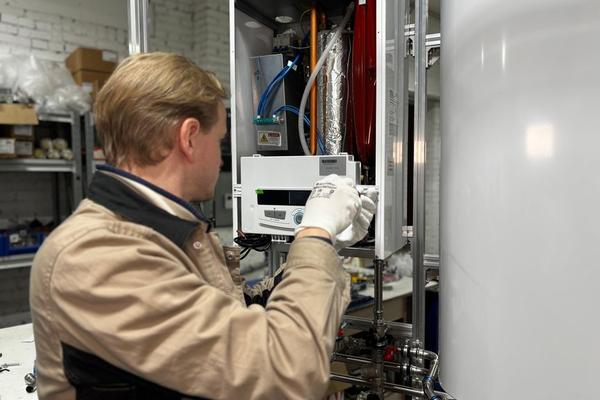
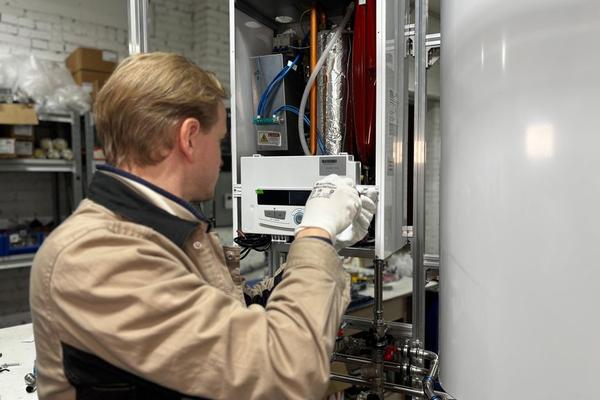
Check periodically for dampness, corrosion around fittings, unusual noises, and changes in hot-water output. If servicing requires electrical work, gas connections, combustion components, or handling hot pressurized water, use a qualified professional.
Signs It May Be Time to Replace a Water Heater
The clearest warning is a leaking storage tank. Moisture from a valve or connection can sometimes be repaired, but water escaping from the tank body usually means replacement. If you discover active leaking, follow the manufacturer’s safe shutdown guidance and arrange professional assistance promptly.
Other warning signs include repeated breakdowns, persistent rust-colored hot water, significant corrosion, and declining hot-water capacity despite proper servicing. Rumbling can indicate sediment buildup, although noise alone does not prove the heater is finished.
Consider a practical example: an 11-year-old tank heater still heats reliably, has no signs of corrosion, and needs a modest thermostat repair. Replacement may not be urgent. If that same heater is leaking through the tank shell, repairing a thermostat would miss the real problem. The condition and location of the failure determine the next step.
Repair or Replace: How to Make the Decision
When deciding when to replace a water heater, weigh its age alongside the cause of failure, repair cost, warranty coverage, efficiency, and the consequences of another breakdown. A younger heater with a failed heating element may be economical to repair. An aging tank with serious corrosion is a different proposition.
Ask a contractor for an itemized repair estimate and a comparable installed replacement quote. Include required permits, code-related upgrades, disposal, and any changes to gas, electrical, or venting systems. Avoid treating a fixed percentage of replacement cost as an absolute rule; a small repair might buy useful years, but repeated bills can add up quickly.
If you are considering a different technology, compare household hot-water demand, installation constraints, operating costs, and available space. A tank versus tankless water heater cost comparison is more useful when it includes installation and long-term maintenance, not just the sticker price.
Frequently Asked Questions
Can a Water Heater Last 20 Years?
Yes. Tankless models can last 20 years or more with suitable maintenance. Some storage tanks also reach that age, but they are well beyond common planning estimates and deserve careful inspection for corrosion and leaks.
Does Flushing a Water Heater Make It Last Longer?
Removing sediment can support performance and reduce buildup-related problems, but it cannot reverse corrosion in an old tank. Follow the manufacturer’s instructions; poorly executed flushing on a neglected unit may create problems.
How Do I Know How Old My Water Heater Is?
Look for an installation sticker, purchase paperwork, or a manufacturer’s label with a serial number. Date codes vary by brand, so check the manufacturer’s serial-number guide rather than guessing from the number alone.
Should I Replace a Working 10-Year-Old Water Heater?
Not automatically. A sound, maintained unit may have useful life remaining. Review its condition, warranty, leak risk, and recent repairs, then decide whether proactive replacement is worth the cost.
The Bottom Line
A realistic water heater lifespan is a range, not a countdown clock. Expect roughly a decade from many storage units, potentially two decades or more from tankless systems, and a storage-like lifespan from heat pump models. Track the age of your equipment, maintain it according to its manual, and take leaks or recurring faults seriously. That approach gives you more control over when—and why—you replace it.