Replacing a storage tank with a wall-mounted heater sounds straightforward until the installer checks the gas supply, wiring and exhaust route. Tankless water heater installation is often as much about preparing the house as mounting the appliance. The right project starts with a realistic assessment of hot-water demand, followed by a clear plan for the utility connections, permits and final testing.
Start With the Hot Water Your Household Actually Uses
Tankless water heater sizing depends on two things: the amount of hot water needed at once and how far the incoming water must be heated. Unlike a storage heater, which is commonly described by tank capacity, a tankless model delivers a specified flow in gallons per minute (GPM) at a particular temperature rise.
Consider a household that sometimes runs two showers together. If each shower uses about 2 GPM of hot water, the system may need to supply roughly 4 GPM at that moment, before allowing for another open faucet. The installer must then check whether the proposed model can maintain that flow during winter, when the incoming water is colder. A product’s advertised maximum GPM may be measured under warmer conditions.
Write down which showers, sinks and appliances realistically run together. This is more useful than sizing solely by the number of bathrooms. A contractor should verify actual fixture demand, seasonal inlet temperatures and the manufacturer’s performance chart before recommending a unit.
Gas or Electric: The Existing Utilities Matter
Gas and Propane Systems
Gas-fired units can deliver substantial hot-water flow, but their burners may demand more fuel at peak operation than the old tank heater. An installer should calculate available gas capacity, considering the meter, piping length, pipe diameter and other gas appliances. Simply connecting a new unit to the old line without checking capacity can lead to poor performance or unsafe operation.
Many gas models also need nearby electrical power for controls, ignition and fans.
Whole-House Electric Systems
An electric tankless model avoids combustion venting, but it may require several dedicated high-amperage circuits. The electrician must evaluate the service capacity, panel space and calculated household load. An electrical panel or service upgrade can substantially change the budget. Smaller point-of-use electric units serving a single fixture have different requirements from whole-house systems.
Before choosing a fuel type, compare the likely retrofit work as well as energy prices. Our tank versus tankless water heater comparison can help frame that larger replacement decision.
Understand Tankless Venting Requirements
Gas tankless units require an approved way to supply combustion air and discharge exhaust safely. The acceptable vent material, diameter, route, maximum equivalent length and termination clearances depend on the exact model and local code. An existing storage-heater flue is not automatically suitable for the replacement.
High-efficiency condensing gas units also produce acidic condensate that must be drained as directed by the manufacturer and local requirements. Some installations need a condensate neutralizer or pump. Outdoor-rated models may avoid an indoor exhaust run, but must be approved for the location and protected against freezing according to their instructions.
Ask the installer to identify the vent exit location during the site visit. A long route around windows, doors or roof features can be one of the biggest surprises in an otherwise simple estimate.
What Happens During Professional Installation?
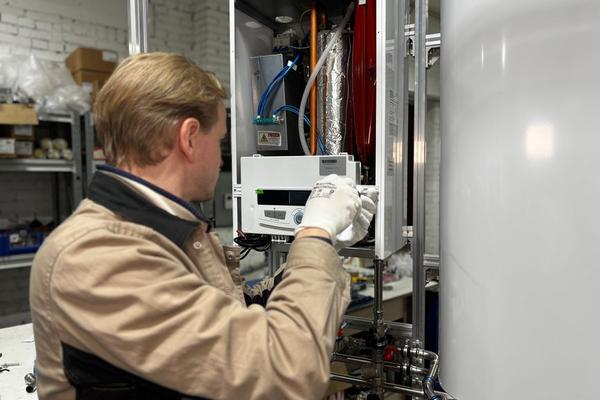
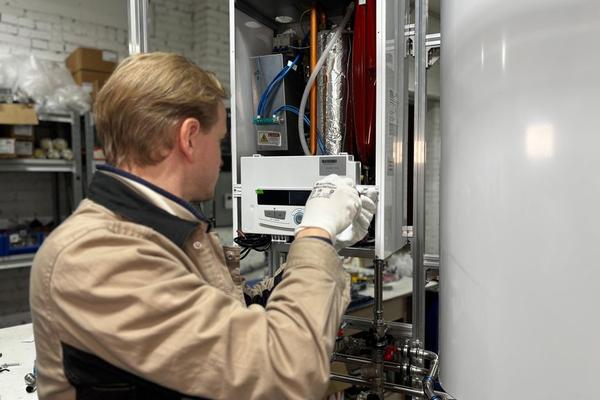
A typical contractor first confirms the heater capacity, installation location and required permits. The team then safely disconnects the old unit, adjusts the water and utility connections, installs the new appliance and completes any approved venting or drainage work.
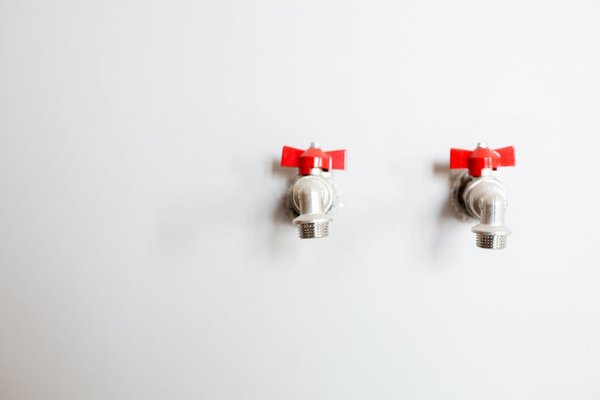
The scope commonly includes secure mounting, isolation and service valves, necessary pressure or safety components, leak checks and system commissioning. The installer should verify outlet temperature and performance under realistic demand, then explain maintenance and warranty requirements. Local inspections may be required before or after commissioning.
Permits, Codes and Who Should Do the Work
Permit rules vary by jurisdiction and by the work involved. Gas piping changes, electrical alterations and new vent penetrations may trigger separate approvals or inspections. Ask who will obtain permits and whether fees are included in the written proposal.
Because fuel, exhaust and high-current electrical connections carry serious hazards, this is not a reasonable project for an unqualified homeowner to tackle. Hire appropriately licensed plumbers, gas professionals and electricians as required locally. Confirm that the contractor follows the selected model’s installation manual rather than relying on generic tankless installation instructions.
How Much Does Tankless Installation Cost?
Published U.S. installation estimates in 2026 vary significantly. Broad national guides place many complete projects around $1,400 to $5,600, while difficult conversions can exceed that range. These are planning figures, not a reliable price for any particular address.
Tankless installation cost depends on the model and fuel, but hidden work often explains the widest differences. Common cost drivers include gas-line replacement, additional electrical capacity, approved vent components, condensate drainage, wall or roof penetrations, permit fees, labor and disposal of the old heater. Moving the appliance to another room creates additional plumbing and utility work.
Request an itemized quote separating equipment, labor, utility upgrades, venting, permits and optional extras. For a meaningful comparison, make sure each contractor has priced the same peak hot-water demand and the same required code-compliant scope. A general water heater replacement cost guide can provide context, but a site assessment is the basis for a useful quote.
Questions to Ask Before Signing
Ask which GPM performance the unit will deliver at your winter inlet temperature, whether existing gas or electrical service is adequate, how the exhaust will be routed, and which permits are needed. Confirm the warranty, recommended flushing or descaling schedule, and whether maintenance valves are included. Our guide to water heater maintenance explains the follow-up care worth budgeting for.
Frequently Asked Questions
Can I install a tankless water heater where my old tank was?
Often, but not always. The location must meet clearance, utility, drainage and venting requirements for the chosen model. A different mounting position may be needed.
Does a tankless water heater provide unlimited hot water?
It can heat water continuously while operating within its rated capacity, but simultaneous demand is limited by flow and temperature rise. An undersized unit may not serve multiple fixtures comfortably.
Do electric tankless water heaters need venting?
No combustion exhaust vent is needed for an electric model. However, the required electrical circuits and service capacity can be substantial.
Is a permit required to install a tankless water heater?
Many jurisdictions require permits or inspections, particularly for gas, venting or electrical changes. Your local building department and licensed installer can confirm the specific rules.
Choose the Installation Plan, Not Just the Heater
A successful tankless upgrade comes from matching the equipment to actual hot-water use and pricing the complete work before installation begins. Have a qualified contractor assess sizing, utility capacity, venting and permits, then compare written proposals on equal terms. That preparation is the best way to avoid surprises and end up with a system that works for your household.