A burst supply line, failed appliance hose, or leaking fixture can release a surprising amount of water in minutes. In that moment, the essential skill is knowing the main water shut off valve location and closing it quickly. Finding the valve beforehand can limit damage while you arrange a repair.
The main valve controls the incoming supply for the whole home. It may also be called a water shut off valve, stop valve, stopcock, or house shutoff. Whatever its design, it stops water entering the property.
Where Is the Main Water Shut Off Valve Located?
Follow the incoming service pipe. Water travels from the street or meter toward the house and enters through a foundation wall, slab, or utility area. The main shutoff is normally close to that entry point, often beside an indoor meter.
Basements and Crawl Spaces
With a basement, start on the wall facing the street and look where a water pipe enters the foundation. The valve may be near the floor, beside the meter, or close to other plumbing equipment. With a crawl space, check near the front foundation wall, below the kitchen, or beneath a utility area. Never enter a flooded or unsafe crawl space.
Garages, Utility Rooms, and Slab Homes
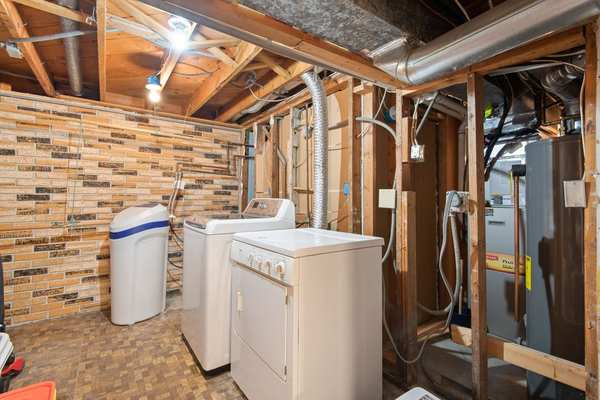
Slab homes commonly have the valve in a garage, utility closet, laundry area, mechanical room, or near the water heater. It may be on an exterior wall or inside a recessed box. Start on the side closest to the street or meter, where the home water main often approaches.
Under a Sink or Inside a Cupboard
Some properties have the incoming stop valve under the kitchen sink, near the washing machine, or in a utility cupboard. Do not confuse it with a fixture valve, which controls one tap, toilet, or appliance rather than the whole home.
Outside Near the Meter
In warmer regions, the shutoff and meter may be in an underground box near the curb, driveway, or property boundary. There may be a customer valve and a utility-owned curb stop. Some utilities do not allow homeowners to operate their equipment, so use the house valve when possible and call the provider or a plumber when unsure.
How to Confirm You Found the Correct Valve
A true main shutoff sits on the incoming cold-water line before it branches to fixtures and appliances. It is usually attached to a larger pipe than the small valves under sinks or behind toilets.
To test it, open a cold tap and close the suspected valve while no appliance is using water. The flow should slow and stop after pressure is released. Check another cold tap. If water continues normally, you may have found a branch valve.
How to Turn Off the Main Water Supply
Make sure the valve is safe to reach. If leaking water is touching outlets, appliances, wiring, or the electrical panel, do not step into the water or touch electrical equipment. Leave the area and call the appropriate emergency service or utility provider.
Lever-Style Ball Valve
A ball valve has a straight lever. Turn the handle one-quarter turn. It is generally open when the lever is parallel with the pipe and closed when the lever is perpendicular to it. Stop when the handle reaches its normal limit.
Round-Handle Gate or Stop Valve
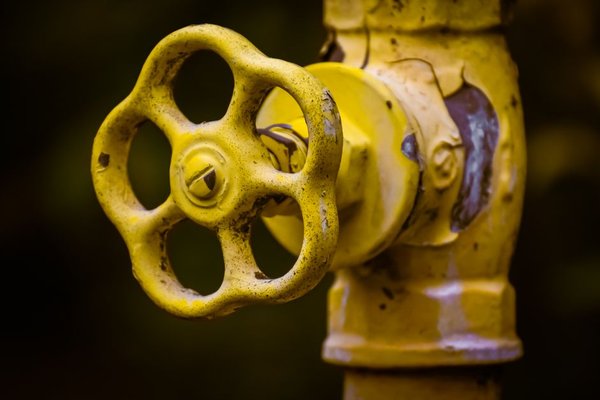
A traditional gate valve or stop valve has a wheel-shaped handle. Turn it clockwise to close the water and counterclockwise to reopen it. Rotate steadily, but never force a stiff or corroded handle. Excessive force can break the stem or make the valve leak.
After closing the main valve, open a low cold tap to relieve pressure and drain the pipes. A damaged section may keep leaking briefly because water remains in the system. Then call a qualified plumber.
When Should You Use an Emergency Water Shut Off?
Close the main supply when a burst pipe, failed hose, broken fixture, appliance connection, or uncontrolled leak cannot be stopped with a nearby isolation valve. Also use it when the source is uncertain or water is spreading quickly.
For a small leak at one toilet, sink, dishwasher, or washing machine, a local isolation valve may stop the flow without interrupting the whole house. Use the main water shut off when that smaller valve is missing, inaccessible, or not working.
Keep the Valve Ready Before You Need It
Label the valve clearly, remove anything blocking access, and show other adults where it is. A note near the electrical panel or emergency contact list can prevent confusion.
Test the valve periodically. It should move smoothly and stop the water fully. If it is seized, corroded, leaking, or difficult to reach, ask a licensed plumber to service or replace it.
After a repair, close drain taps and reopen the main valve slowly. A gradual return of pressure reduces sudden stress. Check the repaired area, shutoff valve, and nearby joints for leaks.
Frequently Asked Questions
Is the main water shut off valve always beside the meter?
No. It is often near an indoor meter or the service-pipe entry point, but it may be in a basement, crawl space, garage, utility closet, under a sink, or outside.
Which direction turns the water off?
A round wheel valve normally closes clockwise. A lever-style ball valve closes with a quarter turn until the handle is perpendicular to the pipe. If a valve does not move with reasonable hand pressure, do not force it.
Why is water still running after I close the valve?
Water stored in the pipes can flow briefly. If strong flow continues from several cold taps, the valve may be partly closed, failed internally, or not the main shutoff. Contact a plumber or utility.
What if I cannot find the main valve?
Check the home inspection report, meter area, utility records, and the point where the supply pipe is likely to enter the building. A licensed plumber can locate it and may recommend adding a clearly labelled, accessible emergency valve.
Know the Location Before an Emergency
Finding your main water shut off valve location is a small task with a large payoff. Trace the incoming supply, identify and test the valve, and keep access clear. During a serious leak, you can stop the water quickly, reduce damage, and create a safer situation for repairs.